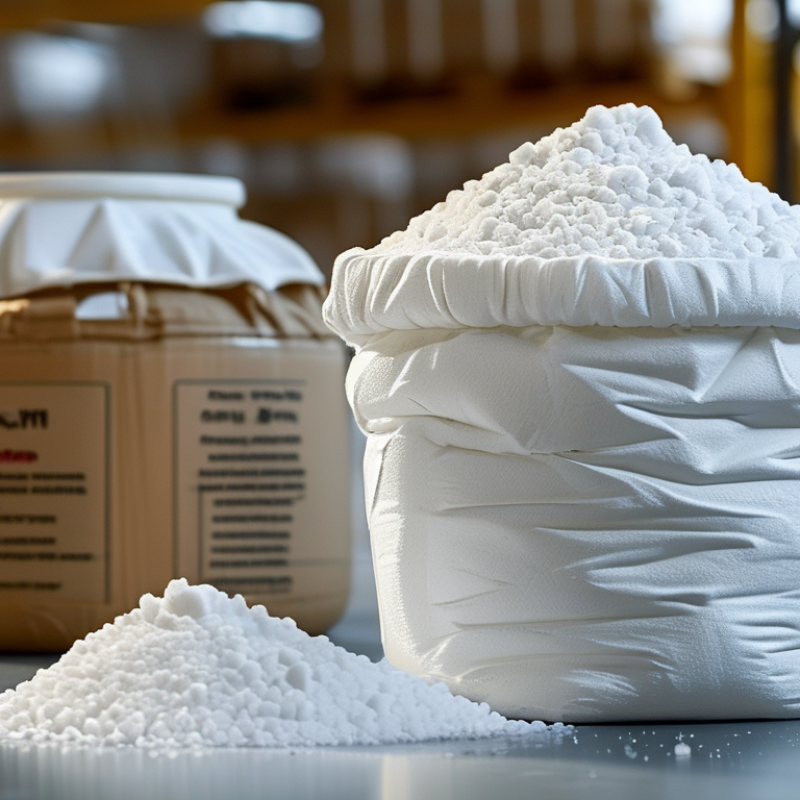
Ammonium chloride powder, or NH4Cl, is produced through controlled chemical reactions and crystallization. One common route recovers it as a by-product of soda ash production. Another route neutralizes hydrochloric acid with ammonia. The resulting solution is concentrated, cooled, and crystallized. After separation, the crystals are dried, milled, and screened into a consistent powder. Moisture control matters because ammonium chloride can absorb water during storage. A sealed package and dry warehouse help preserve its flowability.
Not every white powder is equivalent. Classification usually depends on purity, particle size, moisture, and intended application. Industrial grade may support metal treatment, processing, or other technical uses. Agricultural grade is commonly assessed by nitrogen content and impurity limits. Food or pharmaceutical applications require stricter specifications, validated testing, and complete traceability.
Those labels can vary by market, so buyers should review the certificate of analysis rather than trust a grade name alone. Useful checks include assay, chloride content, heavy metals, insoluble matter, pH, and sieve distribution. Sampling should represent the whole batch, not only the top layer.
A practical weakness remains: fine powder may cake after long transport, even when the original test results are acceptable. Clear packaging dates, batch records, and moisture-barrier bags reduce that risk. Careful classification makes global purchasing more predictable, but specifications still need independent verification.

.svg)