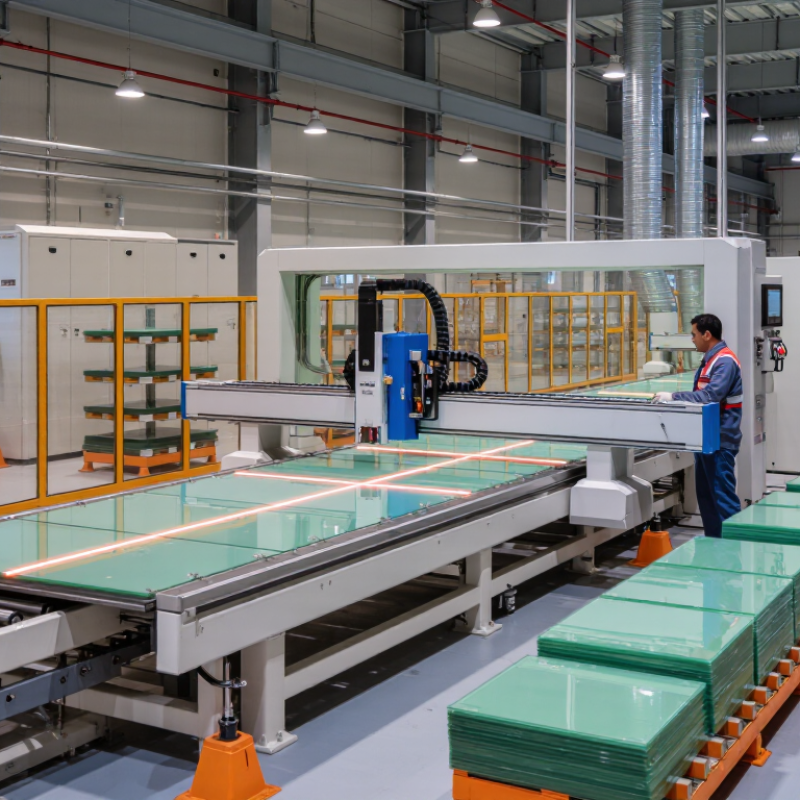
Top Automatic Glass Cutting Machines for Global Buyers
Automatic glass cutting machines differ by workload, glass type, and factory layout. Straight-line cutting tables suit standard rectangular panes and repeated orders. They offer stable positioning, clean scoring, and simple operator training. CNC shape-cutting tables handle circles, arches, and irregular designs. They are useful for architectural glass, furniture panels, and custom projects. Laminated glass cutting systems add film separation and require more careful process control. Some buyers choose the fastest table, then discover that their floor space and workflow cannot support it.
Tips: Measure your daily sheet volume, maximum glass size, and available loading area. Check voltage, software language, spare-part access, and operator training before ordering. Request cutting samples using your actual glass thickness. A sharp score line may still fail if the breakout process is poorly adjusted.
For high-volume plants, integrated loading, cutting, and breakout lines reduce manual handling. They can improve consistency and lower the risk of edge damage. However, automation does not remove every production problem. Dust, uneven glass, worn tools, and incorrect settings still affect results. Buyers should review cutting accuracy, table stiffness, safety sensors, and maintenance procedures. A reliable supplier should provide clear technical data, installation guidance, and measurable acceptance standards. The best machine is not always the most advanced one. It is the one that matches the factory’s real materials and working habits.

.svg)