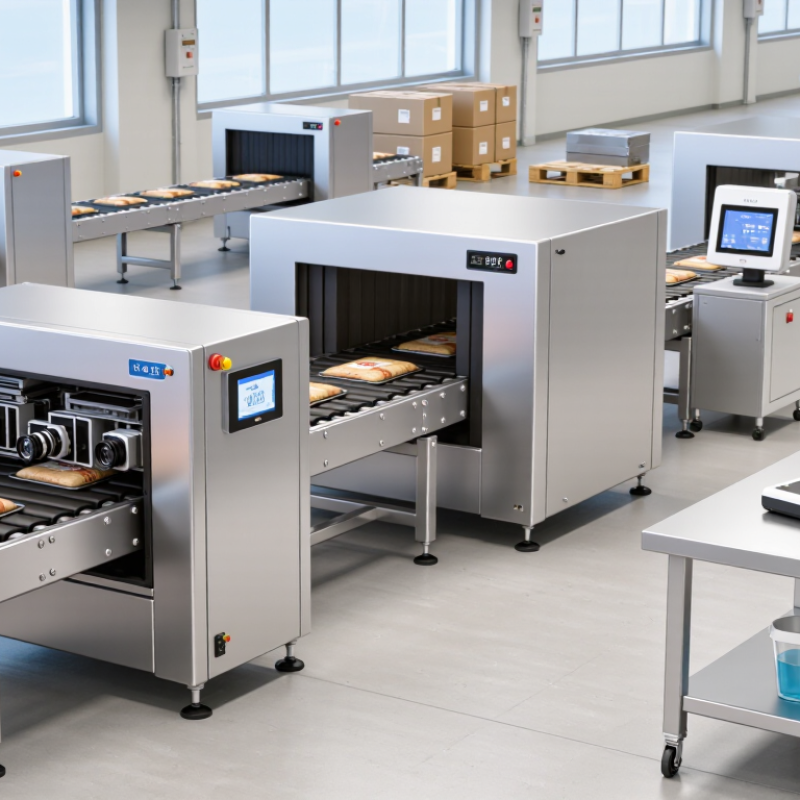
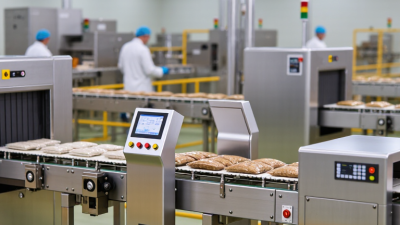
Global buyers should compare food inspection equipment by risk, not brochure features. The WHO report Estimates of the Global Burden of Foodborne Diseases links contaminated food to 600 million illnesses and 420,000 deaths annually. Seven equipment categories deserve attention: metal detectors, X-ray systems, vision inspection, checkweighers, spectroscopy, ATP hygiene testing, and temperature data loggers. Each answers a different question. Metal detection suits many packaged products, while X-ray inspection handles denser items. Vision systems can spot broken seals, poor coding, or missing components. Moisture, product density, line speed, and package shape can change results.
Use a weighted comparison sheet. Include detection sensitivity, false-rejection rate, inspection speed, washdown protection, calibration needs, data export, and local service capacity. Ask suppliers to test real products, not only standard samples. Place wet chicken trays, dusty flour bags, or reflective film through the system. Record every reject. A clean demonstration proves little.
The FDA’s New Era of Smarter Food Safety blueprint emphasizes connected technology and traceability, so software compatibility deserves equal attention. A machine that detects well but cannot share usable records may weaken investigations. Check whether operators can review images, alarms, and calibration history quickly. Training time matters too. In practice, purchasing teams sometimes overvalue maximum sensitivity and overlook false rejects, maintenance, and operator fatigue. I would challenge that choice. The cheapest unit can become expensive when production stops repeatedly. Test evidence should guide the decision, even when it exposes an imperfect process.

.svg)