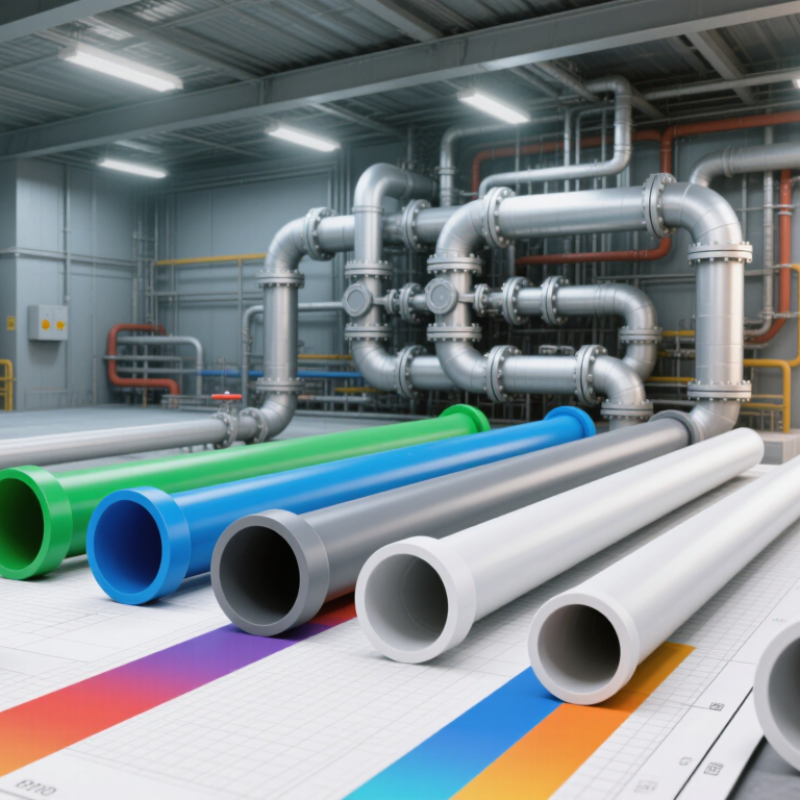
For global buyers, polypropylene pipe selection should begin with standards, not price. PP-R, PP-RCT, PP-H, and PP-B serve different temperature, pressure, and chemical environments. ISO 15874 is widely referenced for hot and cold water systems. Some markets also require EN or ASTM-based testing. Check the exact standard edition, product scope, and pressure class.
A certificate can look impressive and still be irrelevant. Verify whether it covers the pipe, fittings, and intended application. Drinking-water projects may require NSF/ANSI/CAN 61, WRAS, ACS, or an equivalent local approval. ISO 9001 shows quality-management control, but it does not prove product performance. Ask for independent laboratory reports covering hydrostatic pressure, dimensions, melt flow rate, and joint performance. Certificates should show a valid date, test method, laboratory identity, and matching product grades.
Traceability matters during real installation. Each pipe should carry readable markings, including size, SDR, material type, production batch, and manufacturing date. Inspecters should compare these details with packing lists and test records. Confirm resin origin, stabilizer content, UV protection, and storage conditions before shipment. Sun exposure and heat can damage unprotected pipe. Fusion compatibility also deserves a field check; similar colors do not guarantee identical formulations. Quality control is never perfect, and paperwork can hide weak sampling. A small pilot order, witnessed inspection, and retained samples often reveal more than a polished brochure.

.svg)