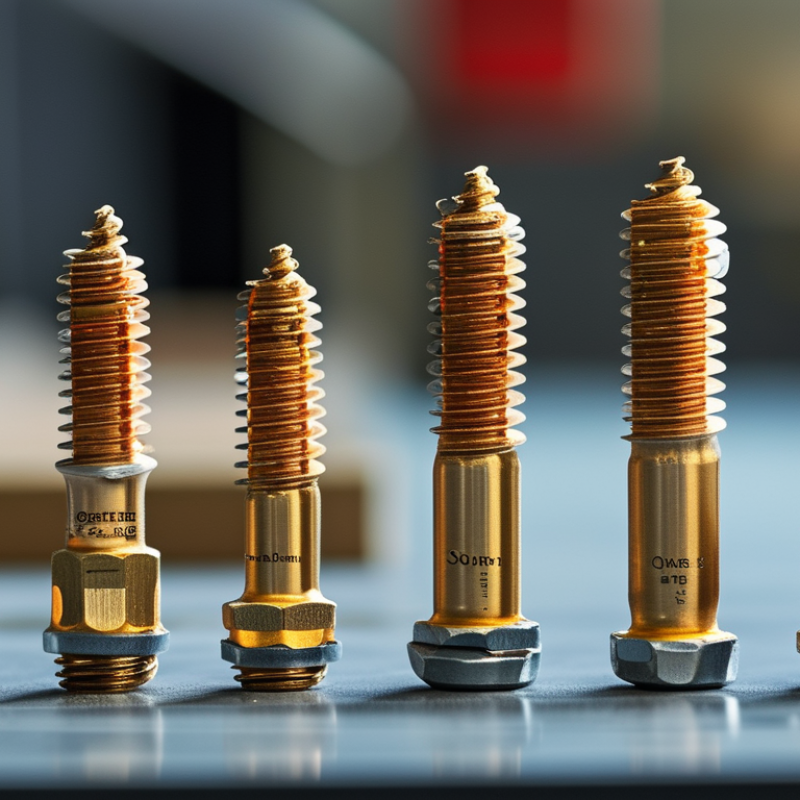
| Product Definition | A seal screw is a threaded fastener that uses an integrated or separate sealing element to reduce leakage through a joint or threaded opening. | The supplier should clearly identify the screw type, sealing method, thread standard, material, and intended application. | Technical drawing, product datasheet, thread specification, and application guide. | 5% |
| Thread Standard | Common options include metric threads such as ISO metric coarse threads and inch-based Unified threads such as UNC or UNF. | Thread form, nominal diameter, pitch or threads per inch, tolerance, and gauge requirements must be stated consistently. | Thread drawing, calibrated plug or ring gauge records, and dimensional inspection report. | 12% |
| Base Material | Typical fastener materials include carbon steel, alloy steel, stainless steel, and non-ferrous alloys selected according to load and environment. | The material grade should be specified according to a recognized standard, with traceable heat or batch information. | Material certificate, chemical composition report, and batch traceability record. | 12% |
| Mechanical Strength | Relevant properties may include tensile strength, proof load, yield strength, hardness, and torque performance. | The supplied grade should meet the mechanical requirements stated on the approved drawing or applicable fastener standard. | Third-party or in-house mechanical test report, hardness report, and lot inspection data. | 12% |
| Sealing Element | Sealing materials may include elastomers, copper, aluminum, or other engineered materials, depending on temperature, pressure, and fluid compatibility. | The sealing material, hardness range, temperature range, fluid compatibility, and replacement requirements should be documented. | Sealing-material datasheet, hardness test, compatibility statement, and approved sample. | 14% |
| Leakage Performance | Leak testing can use pressure decay, air-under-water, helium, or another method appropriate to the application. | The supplier should define test medium, pressure, holding time, acceptance limit, and sampling plan instead of using only the term “leak-proof.” | Validated leak-test procedure, test records, equipment calibration certificate, and acceptance criteria. | 15% |
| Corrosion Protection | Available protections may include stainless-steel construction, zinc-based coatings, passivation, or other specified surface treatments. | The coating or finish should match the installation environment and should include a defined thickness, appearance, and corrosion-test requirement where applicable. | Coating specification, thickness inspection, salt-spray or cyclic-corrosion test report, and finish sample. | 10% |
| Dimensional Control | Important dimensions include head diameter, head height, overall length, thread length, sealing-seat geometry, and concentricity. | Critical dimensions should be controlled by an approved drawing with stated tolerances and inspection frequency. | Inspection plan, first-article report, coordinate or optical measurement report, and sampling records. | 8% |
| Torque and Installation | Installation performance depends on thread friction, surface finish, coating, seal compression, tightening speed, and tool accuracy. | The supplier should provide an installation torque range or test method when torque affects sealing or joint integrity. | Torque-tension test, installation instructions, controlled sample testing, and tool calibration record. | 6% |
| Quality Management | Production controls commonly cover incoming inspection, process inspection, final inspection, nonconformance handling, and corrective action. | A documented quality system should control specifications, records, inspection equipment, changes, and customer complaints. | Quality manual, process flow chart, control plan, audit report, and corrective-action records. | 10% |
| Sampling and Pre-Production Approval | Samples should represent the intended production material, tooling, sealing element, finish, and manufacturing process. | Approve samples only after dimensional, material, sealing, and functional checks are completed against the final drawing. | Sample approval form, comparison report, retained samples, and signed final specification. | 6% |
| Production Capacity | Capacity depends on cold forming, machining, rolling, heat treatment, sealing-element production, surface treatment, and inspection resources. | The supplier should provide realistic monthly capacity, lead time, minimum order quantity, and peak-season planning information. | Capacity statement, production schedule, equipment list, and recent delivery records with confidential information removed. | 5% |
| Traceability | Traceability links finished goods to raw material, production date, process records, inspection results, and packaging identification. | Each shipment should carry a lot or batch code that can be traced to material and quality records. | Lot label, packing list, material certificate, inspection report, and traceability demonstration. | 5% |
| Packaging and Shipping Protection | Seal screws should be protected against thread damage, deformation, contamination, moisture, and mixed-lot identification errors. | Packaging should separate different sizes or lots and preserve sealing surfaces during transport and storage. | Packaging specification, carton label, photos of packed samples, and storage instructions. | 3% |

.svg)