10 Best Telecentric Lens C Mount Options for Buyers?
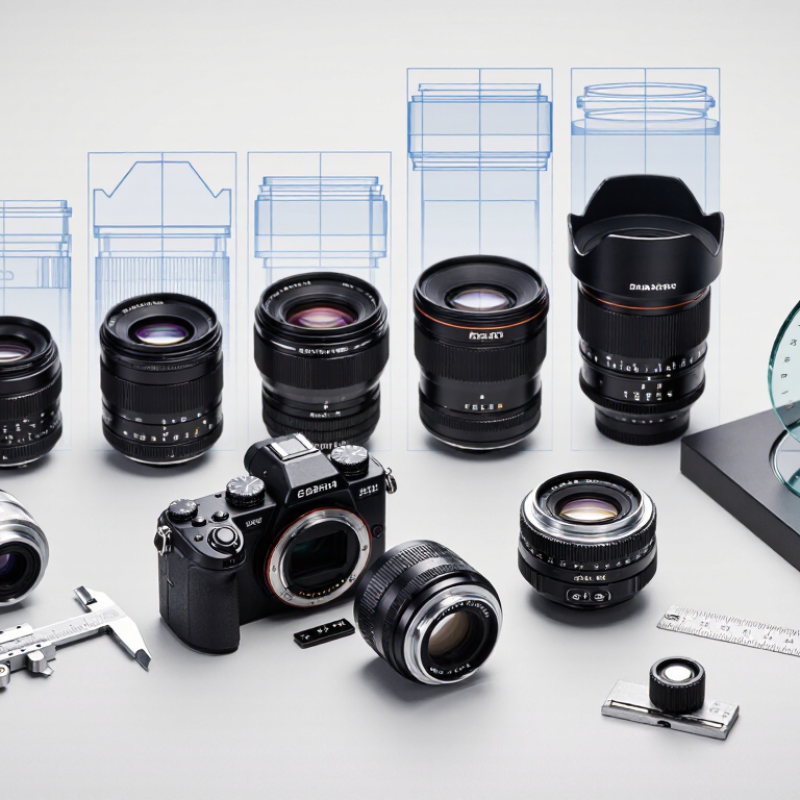
When comparing ten C-mount telecentric options, start with numerical aperture, or NA. NA equals n sin θ and controls light collection, resolution, and depth of field. Higher NA can reveal a fine 10-micron edge, but it also narrows focus tolerance. For small molded parts, a lower-NA lens may produce steadier measurements across uneven surfaces. That trade-off is easy to underestimate.
Depth of field should match the part, not the catalog headline. Check the working distance, object height, and sensor pixel size together. Distortion below 0.1% is often preferred for dimensional inspection, yet calibration remains necessary. A tilted target, thermal drift, or weak backlight can defeat impressive specifications. The EMVA 1288 standard provides a useful framework for comparing noise, sensitivity, and dynamic range under controlled conditions. Real factories are less controlled.
C-mount compatibility requires more than a matching thread. Confirm the 1-inch, 32-thread-per-inch connection, 17.526 mm flange focal distance, sensor format, and image-circle coverage. A lens may attach correctly while clipping the sensor corners. The IFR World Robotics 2024 report recorded 4.28 million industrial robots operating worldwide in 2023, highlighting the growing need for repeatable vision inspection. Still, automation volume does not guarantee optical accuracy. Test the complete camera-lens-lighting assembly with a calibrated target, then inspect edge distortion at the actual working distance. I have learned that this step is slower, but skipping it creates expensive doubt.

.svg)