Food Safety Insights

In Eagle’s Advanced Insights Blog, experts share their know-how by keeping you up-to-date with the latest trends to ensure your inspection equipment keeps your products safe. Eagle is an industry leader when it comes to performance and innovation, and we’ll share the news that’s important to you to enhance your quality assurance program.

Suggest topic you would like to see at:

sale@generalmachinery.org

China Best Fruit and Vegetable Processing Equipment?

China Best Fruit and Vegetable Processing Equipment? The answer depends on crop, capacity, hygiene requirements, and production goals. No single machine suits every factory.

Dr. R. Paul Singh, a respected food engineering authority, wrote, “Food processing is the transformation of raw ingredients into food, or of food into other forms.” His definition explains why equipment selection requires more than comparing prices. Fresh tomatoes may need washing, sorting, crushing, and controlled heating. Leafy vegetables may require gentle washing, dewatering, and rapid cooling. Each step affects texture, yield, energy use, and shelf life.

Reliable fruit and vegetable processing equipment should match the real production line. Check stainless steel quality, cutting accuracy, water consumption, cleaning access, and continuous operating stability. A polished brochure is not enough. Ask for factory videos, test results, spare-parts support, and references from similar plants. The details matter.

A cheaper washer may use more water. A fast cutter may create excessive waste. A compact dryer may reduce product quality. These weaknesses can appear only after months of operation. This guide examines Chinese equipment manufacturers through practical criteria, including customization, automation, sanitation, technical support, and total ownership cost. It will not pretend that the highest price means the best value. Nor will it assume every Chinese supplier offers the same reliability. Buyers should test representative produce before signing a contract. Real carrots, onions, apples, and leafy greens reveal more than promises.

China Best Fruit and Vegetable Processing Equipment?

Definition and Scope of Fruit and Vegetable Processing Equipment in China

Fruit and vegetable processing equipment in China covers machines that clean, sort, cut, dry, extract, preserve, and pack agricultural products. Its scope begins after harvesting and ends with a stable, market-ready product. Common systems include washing tanks, air cleaners, grading lines, slicers, blanchers, juice extractors, dehydrators, cold storage units, and filling equipment. The right combination depends on the crop, output, moisture level, and final package.

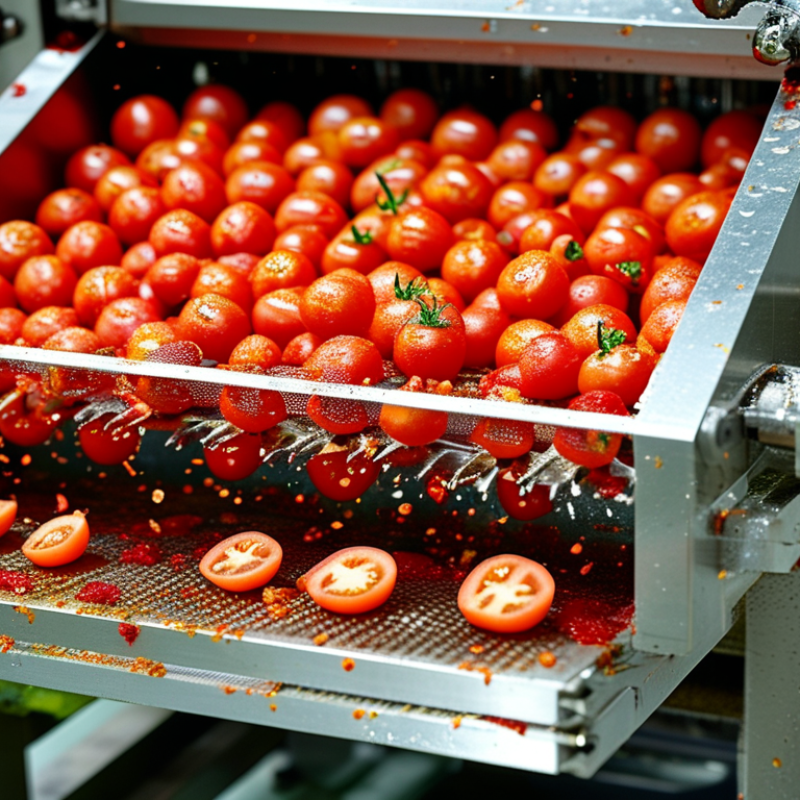
In practical factory work, equipment selection starts with the raw material, not the machine catalog. Tomatoes may require crushing and thermal treatment, while leafy vegetables need gentle washing and rapid cooling. Stainless steel contact surfaces, adjustable speed controls, drainage design, and cleaning access are important details. A useful line should also control water use, temperature, product loss, and worker safety. Small processors often need modular machines because seasonal supply can change sharply.

The boundary is not always clean. Some systems serve both food processing and agricultural handling. This can confuse buyers during technical evaluation. Reliable assessment should include trial runs with local produce, maintenance records, energy measurements, and spare-part availability. Operators should inspect noise, vibration, residue, and cleaning time during testing. A polished demonstration is not enough. Real factories differ. China’s equipment sector offers broad manufacturing capacity, but quality can vary between suppliers and production lines. Careful documentation and independent inspection remain necessary before installation.

Main Types of Chinese Fruit and Vegetable Processing Machines

China Best Fruit and Vegetable Processing Equipment?

Main Types of Chinese Fruit and Vegetable Processing Machines

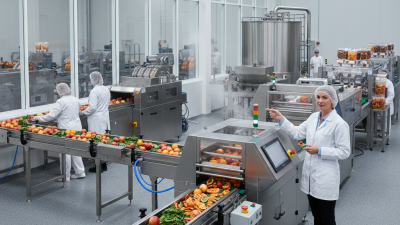
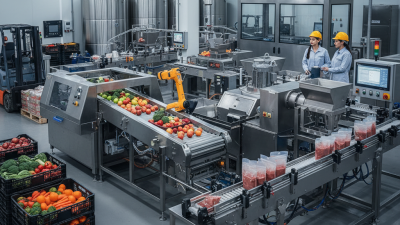
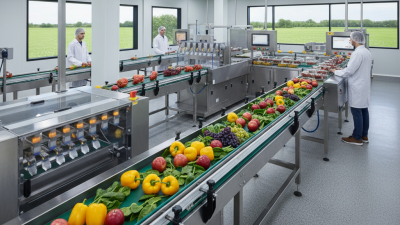
Chinese fruit and vegetable processing lines usually combine several machines for one continuous workflow. Washing machines remove soil, leaves, and surface residue with rotating brushes or water sprays. Sorting and grading machines separate produce by size, color, or visible defects. Optical systems can improve accuracy, but manual inspection still matters for irregular products.

Peeling and cutting machines prepare potatoes, carrots, apples, and similar crops. Blade settings must match product firmness and shape. Small changes can reduce waste significantly. Blanching equipment uses controlled hot water or steam before freezing and drying. Temperature records, drainage design, and easy access for cleaning are essential details.

Juice extractors, pulpers, and crushers handle soft fruits and vegetables. They influence yield, texture, and oxidation. Drying machines may use hot air, vacuum, or freeze-drying methods, depending on the target product. Freezing equipment protects color and texture when cooling is fast and consistent. Canning and filling machines support sealed packaging under controlled hygienic conditions.

Equipment selection should follow the raw material, hourly capacity, moisture level, and available floor space. Food-contact parts need suitable materials and clear cleaning procedures. Energy use also deserves attention. A cheaper machine may create higher labor and maintenance costs later. I would not trust capacity claims without testing real produce samples. Laboratory results can look perfect. Field conditions are less predictable.

Key Processing Stages from Fresh Produce to Finished Products

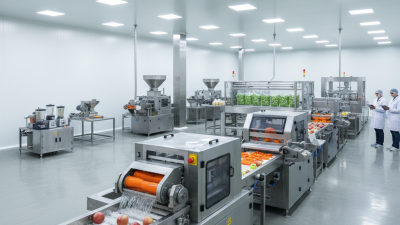
China’s fruit and vegetable processing equipment supports a controlled journey from fresh produce to finished products. The process begins with receiving, weighing, and inspecting raw materials. Workers check maturity, bruising, soil, and foreign matter. Small errors matter.

Washing equipment removes dust and surface contamination with controlled water pressure. Sorting systems then separate produce by size, color, and quality. Cutting, peeling, and pulping machines must protect texture while maintaining stable output. For juice, puree, or sauce production, extraction efficiency affects both yield and flavor. Blanching can reduce enzyme activity before freezing or drying. It must be carefully timed, or the vegetables may lose firmness.

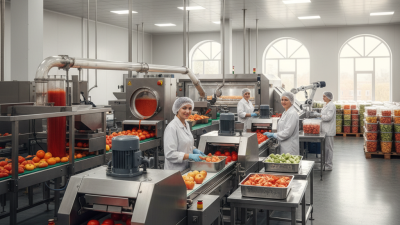
Heat treatment, filling, sealing, and packaging require accurate temperature and pressure control. This is where reliable sensors and traceable records become essential. Cleaning-in-place systems also reduce residues inside pipes and tanks. In practical projects, equipment capacity should match the weakest processing stage, not the fastest machine. Otherwise, bottlenecks appear quickly. Keep it simple.

For Chinese processing equipment, buyers should examine stainless-steel construction, hygienic welds, drainage design, maintenance access, and spare-part availability. Product trials are more useful than impressive specifications. A line may perform well with apples but struggle with leafy vegetables. Operators also need clear procedures and training. No line is perfect, and settings often need adjustment after seasonal harvests. Independent testing, documented sanitation routines, and verified food-contact materials improve confidence before production begins.

How to Evaluate China’s Best Processing Equipment Suppliers

China’s best fruit and vegetable processing equipment is not defined by price or catalog size. A credible evaluation starts with product fit, factory evidence, and measurable output.

FAO’s The State of Food and Agriculture 2019 estimated that 14% of food is lost between harvest and retail.

UNEP’s Food Waste Index 2024 reported 1.05 billion tonnes of food waste in 2022.

These figures make yield control, gentle handling, and stable cooling practical priorities.

Request a trial using your own fruit or vegetables. Measure recovery rate, cutting accuracy, oxidation, water consumption, and cleaning time. Ask for batch records, electrical test reports, material certificates, and a clear acceptance standard.

Stainless steel should match the intended food-contact environment. The supplier should explain how sensors detect blockages and temperature changes. Small details matter. A polished machine can still waste produce.

Audit the manufacturing site, not only the showroom. Check weld quality, spare-part availability, software documentation, and technician response times.

Review at least three comparable installations, preferably with similar climate and raw materials. ISO 22000 certification can support food-safety management, but certification alone does not prove processing performance.

Insist on a factory acceptance test and documented performance data. My own assessment would remain cautious when a supplier avoids live testing or offers unusually broad capacity claims.

Reflection is necessary; the cheapest quotation may become the most expensive line.

Applications, Standards, and Maintenance of Processing Equipment

China Best Fruit and Vegetable Processing Equipment?

Applications, Standards, and Maintenance of Processing Equipment

Fruit and vegetable equipment should match the crop, not merely the factory’s daily capacity. Washing systems remove soil, while optical or manual sorting separates damaged produce. Cutting, pulping, blanching, drying, freezing, and packaging serve different quality goals. In one processing line, a small change in conveyor speed reduced bruising noticeably. Yet the same setting failed during softer peach production.

Hygienic design is essential. Food-contact surfaces should resist corrosion and remain easy to inspect. Smooth welds, accessible drains, and removable guards reduce contamination risks. Equipment selection should support documented sanitation procedures and hazard-control plans. Relevant food-safety systems may include HACCP principles, ISO 22000 frameworks, and applicable national standards. Certification alone is not enough. Operators still need training, records, and practical verification.

Maintenance begins before a breakdown. Inspect belts, seals, bearings, blades, sensors, and spray nozzles on a fixed schedule. Clean product residue before it hardens. Check water quality and disinfectant concentration with recorded measurements. Lubricants must be suitable for food-processing environments and stored separately. I have seen teams replace a worn blade too late, causing uneven cuts and excess waste. That mistake was avoidable. However, no checklist is perfect; seasonal crops, humid rooms, and rushed shifts can expose weak points. A useful maintenance plan leaves time for inspection, not only repair.

China Best Fruit and Vegetable Processing Equipment? - Applications, Standards, and Maintenance of Processing Equipment
Equipment Type Primary Applications Typical Processing Range Recommended Product-Contact Materials Relevant Standards and Hygiene Requirements Key Maintenance Practices
Fruit and Vegetable Washer Removes soil, sand, field debris, and some surface contaminants from apples, potatoes, carrots, leafy vegetables, and similar produce. Typical water flow: 2–10 m³/h; capacity commonly varies from 0.5–10 tonnes per hour according to washer design and product type. Food-contact stainless steel, commonly AISI 304; AISI 316 may be selected for higher chloride or acidic environments. HACCP-based hygiene controls; ISO 22000 food-safety management; EN 1672-2 hygienic design principles; applicable national food-contact requirements. Remove solids from screens daily, inspect spray nozzles, monitor water quality, clean tanks after each production shift, and check pumps and seals regularly.
Inspection and Sorting Machine Separates produce by size, color, shape, ripeness, or visible defects using rollers, cameras, optical sensors, or manual inspection stations. Typical throughput: approximately 1–15 tonnes per hour, depending on crop, inspection accuracy, and conveying speed. Stainless steel frames and food-grade polymer belts or rollers that are resistant to moisture and cleaning chemicals. Hygienic construction should minimize product retention points; electrical systems should follow applicable machinery and electrical safety requirements. Clean lenses and sensors with approved methods, inspect belts for wear, verify calibration, lubricate non-product-contact bearings, and tighten mechanical fasteners.
Peeling Machine Removes skins from potatoes, carrots, apples, onions, and selected root vegetables by abrasive, knife, steam, or lye-assisted methods. Typical batch or continuous capacity: about 0.3–5 tonnes per hour; peeling loss depends on raw material quality and machine settings. AISI 304 stainless steel for most food-contact surfaces; abrasive components should be securely fixed and suitable for food-processing use. Hygienic design should allow tool-free or low-tool disassembly, full drainage, and easy inspection of product-contact areas. Inspect abrasive surfaces or peeling knives, remove accumulated peel waste, check shaft bearings and seals, and verify peel-loss settings at the start of production.
Cutting, Dicing, and Slicing Machine Produces slices, cubes, strips, wedges, or standardized pieces for frozen vegetables, canned products, ready-to-eat foods, and fresh-cut produce. Common cutting dimensions range from approximately 3–25 mm; capacity often ranges from 0.2–5 tonnes per hour. Food-contact stainless steel; cutting blades should be corrosion-resistant, replaceable, and suitable for the intended product. HACCP controls should address foreign-material risks; hygienic design should support cleaning, inspection, and prevention of product accumulation. Sanitize and inspect blades, check cutting clearances, replace damaged knives, verify safety guards and interlocks, and inspect drive belts and bearings.
Blancher Uses hot water or steam to inactivate enzymes, reduce microbial load, soften tissue, and help preserve color before freezing, drying, or canning. Typical product temperature: approximately 85–100°C; holding time commonly ranges from 30 seconds to several minutes, depending on the product. AISI 304 stainless steel for normal use; AISI 316 can be considered where water chemistry or cleaning conditions are more corrosive. Thermal-process controls should be validated for each product; HACCP plans should monitor temperature, residence time, and water-management procedures. Check temperature sensors, steam valves, conveyor speed, water circulation, and drain performance; remove scale and clean the blanching chamber routinely.
Juice Extractor and Pulper Extracts juice or pulp from citrus fruits, berries, tomatoes, mangoes, peaches, and other soft or semi-soft produce. Typical capacity: approximately 0.5–10 tonnes per hour; extraction yield depends on fruit variety, maturity, and operating pressure. AISI 304 stainless steel and food-grade elastomers compatible with acidic fruit juices and approved cleaning agents. Food-contact surfaces should be smooth, cleanable, corrosion-resistant, and compliant with applicable food-contact material regulations. Disassemble and clean screens, rotors, and seals after production; inspect wear parts, monitor vibration, and verify that no pulp remains in dead spaces.
Pasteurizer Reduces vegetative microorganisms in juices, purées, sauces, and liquid fruit or vegetable products through controlled heat treatment. Typical treatment temperatures are product-specific and commonly fall within approximately 72–95°C; holding time may range from seconds to several minutes. AISI 304 or AISI 316 stainless steel heat exchangers, piping, valves, and product-contact components, selected according to product acidity and cleaning conditions. HACCP requires documented critical limits and monitoring; thermal treatment should be validated for the specific product and package format. Calibrate temperature instruments, inspect heat-exchanger performance, perform scheduled cleaning-in-place, check valve seats, and review process records.
Freezing System Preserves blanched or prepared fruits and vegetables using air-blast, fluidized-bed, plate, or spiral freezing systems. Product outlet temperature is commonly approximately −18°C or lower for frozen storage; actual freezing time depends on product size and system design. Stainless steel product-contact surfaces with insulation materials and refrigerant components selected for the operating temperature and food environment. Cold-chain controls should be documented; hygienic design, allergen controls, and applicable refrigerant and pressure-equipment rules should be considered. Defrost evaporators as required, clean belts and air ducts, check refrigerant pressures, inspect insulation, and verify temperature recorders and alarms.
Hot-Air or Vacuum Dryer Reduces moisture in sliced fruits, vegetables, herbs, powders, and processed ingredients to extend shelf life and reduce transport weight. Typical drying-air temperatures range from approximately 40–100°C; final moisture content is product-specific and must be validated by testing. AISI 304 stainless steel for chambers, trays, and conveyors; seals and gaskets should withstand the selected temperature and cleaning chemicals. HACCP should control drying temperature, time, moisture content, and post-drying contamination; equipment should be designed for effective cleaning. Clean filters and air ducts, inspect fans and heaters, check vacuum pumps where applicable, verify temperature and humidity sensors, and inspect door seals.
Filling, Sealing, and Packaging Machine Fills juices, purées, diced vegetables, sauces, frozen products, or dried ingredients into bottles, cans, pouches, trays, or jars. Typical speeds range from approximately 10–300 packages per minute, depending on product viscosity, container type, and filling technology. Food-contact stainless steel and certified food-grade gaskets, hoses, valves, and flexible components suitable for the product. Packaging hygiene should support HACCP and ISO 22000 systems; food-contact materials must comply with the regulations applicable to the target market. Clean filling heads and product lines, inspect seals and nozzles, verify fill-weight accuracy, check sealing temperature or pressure, and test safety interlocks.
Clean-in-Place System Automatically cleans tanks, pipelines, heat exchangers, fillers, and other equipment without extensive disassembly. Typical cleaning stages include pre-rinse, alkaline wash, intermediate rinse, acid wash when required, final rinse, and sanitation; temperatures and concentrations must be validated. AISI 304 or AISI 316 stainless steel, hygienic valves, drainable piping, and elastomers compatible with the selected detergents and sanitizers. Cleaning procedures should be documented within the HACCP or food-safety system; hygienic piping should avoid dead legs and retain adequate drainage capability. Verify chemical concentration, flow rate, temperature, and contact time; calibrate sensors, inspect spray devices, clean solution tanks, and maintain pumps and valves.
Typical capacities, temperatures, and dimensions are indicative engineering ranges rather than universal specifications. Final equipment selection should be confirmed through product trials, sanitation validation, utility assessment, and compliance review for the destination market.

Any Questions? We Are Here for You

Contact Us

Contact Us

Request information

Ask us a question
Service Support

Service Support

Available 24 hours a day, 7 days a week.

Get in Touch
Find a representative

Find a representative

Contact your local representative

View Locations