Food Safety Insights

In Eagle’s Advanced Insights Blog, experts share their know-how by keeping you up-to-date with the latest trends to ensure your inspection equipment keeps your products safe. Eagle is an industry leader when it comes to performance and innovation, and we’ll share the news that’s important to you to enhance your quality assurance program.

Suggest topic you would like to see at:

sale@generalmachinery.org

China Top 10 Metal Pill Container Manufacturers?

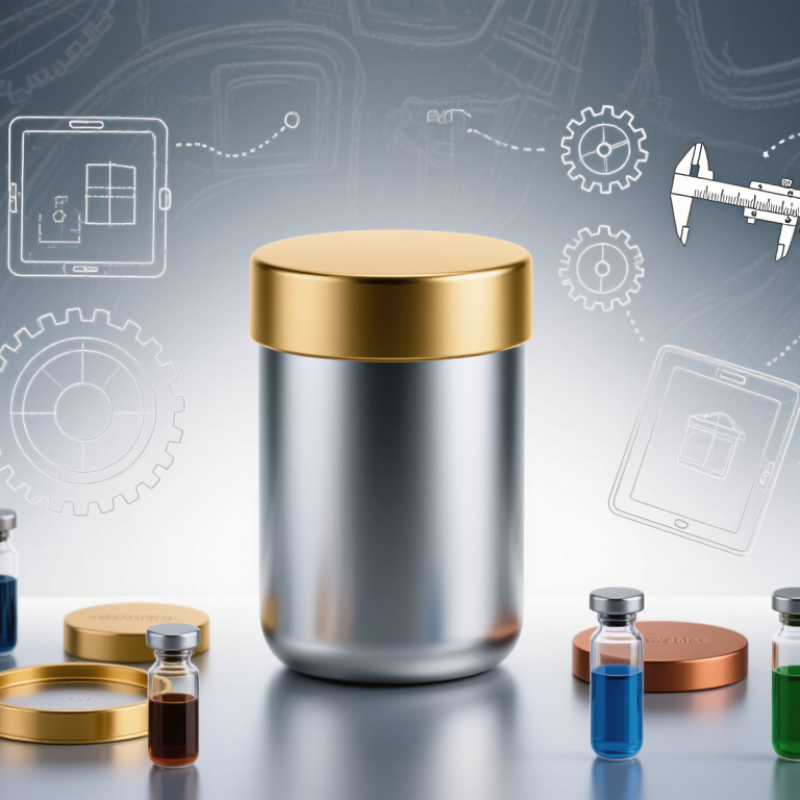
China’s metal packaging sector serves buyers seeking compact, durable containers for tablets, supplements, and other products. A Metal Pill Container may look simple, but its value depends on practical details: material consistency, lid fit, interior finish, and dependable production records. Small differences matter. A loose cap or rough edge can undermine an otherwise polished product.

Market context helps explain why supplier comparisons deserve care. Grand View Research estimated the global pharmaceutical packaging market at about US$124.4 billion in 2023. That figure covers many packaging formats; it is not a measure of metal pill containers alone. Still, it signals the scale of demand for packaging that protects products and supports reliable handling. For medicinal-product packaging, ISO 15378 provides a quality-management framework for primary packaging materials. It is a useful reference, not automatic proof that every container is suitable for every use.

This guide examines ten Chinese manufacturers through criteria buyers can verify: manufacturing experience, available metal types, customization, quality controls, and communication. Ask for current specifications, sample units, and evidence behind any performance claims. A photograph cannot confirm a clean seam or a consistent coating. Some suppliers may also disclose less than buyers would like; that gap deserves follow-up, not guesswork. The comparison is intended as a starting point, since the best supplier depends on the product, order volume, and required packaging standards.

China Top 10 Metal Pill Container Manufacturers?

How China’s Top 10 Metal Pill Container Manufacturers Are Identified

Identifying China’s top metal pill container manufacturers requires more than comparing prices or polished product photos. A credible assessment examines production experience, material consistency, and quality-control practices. Ask whether the manufacturer can explain its metal specifications, coating options, closure design, and inspection process in clear terms. Specific answers matter. A sample should feel sturdy, close evenly, and show no sharp edges or visible coating defects. These simple checks reveal more than a sales brochure.

Reliable manufacturers also provide traceable specifications and consistent sample-to-order results. Review their capacity, lead times, customization process, and response to documented quality concerns. Request drawings or samples, then compare dimensions, wall thickness, finish, and lid fit against agreed requirements. An independent inspection may help verify larger orders. Claims alone are not evidence. No scorecard is perfect. Communication can be uneven, and one sample cannot prove long-term consistency. Buyers should weigh verified records, practical testing, and transparent conversations together when deciding which suppliers merit a place among the leading manufacturers.

Which Container Types and Materials Do China’s Leading Suppliers Offer?

China’s leading metal pill container manufacturers usually offer several formats for different handling needs. Screw-top tins provide a firm seal and a familiar user experience. Hinged tins open quickly but may need stronger hinge testing. Slip-lid containers suit lightweight tablets and compact packaging. Some suppliers also produce aluminum cans, stainless steel jars, and coated steel boxes. Each option has trade-offs.

Tinplate is common because it balances strength, cost, and printability. Aluminum feels lighter and resists rust, although its walls may dent more easily. Stainless steel offers excellent durability but usually increases production costs. Interior coatings can reduce contact between the metal and contents. A practical supplier should explain coating composition, thickness, odor control, and migration testing. Request samples from the same production line. One attractive prototype proves very little.

Tips: Check lid torque, edge smoothness, moisture resistance, and repeated opening performance. Ask for material reports, factory quality records, and batch inspection procedures. Test the container with your actual tablets, desiccant, and labeling process. Small gaps can matter. Suppliers may also offer recyclable materials, but confirm the real composition instead of trusting broad claims. I would still review coating consistency manually, because automated inspection can miss tiny scratches. Reliable sourcing depends on evidence, not polished photographs.

China Top 10 Metal Pill Container Manufacturers? - Which Container Types and Materials Do China’s Leading Suppliers Offer?

No. Common Supplier Offering Container Type Main Material Typical Capacity Range Closure Options Typical Surface Finish Common Applications Relevant Manufacturing Capabilities
1 General-purpose metal pill container Round hinged tin box Tinplate steel 15–100 ml Hinged lid, friction-fit lid Plain, printed, embossed, matte or glossy Tablets, capsules, mints and small supplements Sheet cutting, stamping, deep drawing, hinge assembly and lithographic printing
2 Compact travel container Small rectangular tin Tinplate steel 10–60 ml Slip lid, hinged lid or snap lid Printed coating, powder coating or brushed-effect decoration Travel pills, emergency medication and daily-dose storage Progressive stamping, corner forming, lid fitting and custom tooling
3 Lightweight premium container Aluminum screw-top tin Aluminum 15–250 ml Screw cap, threaded lid or slip lid Anodized, brushed, polished or printed Nutraceuticals, herbal products and premium wellness items Impact extrusion, CNC threading, anodizing and laser marking
4 Durable reusable container Stainless steel pill case 304 stainless steel 20–150 ml Threaded cap, hinged lid or magnetic lid Brushed, polished, powder-coated or laser-engraved Long-term personal use, outdoor kits and premium gift sets Deep drawing, welding, polishing, passivation and leak testing
5 Child-resistant packaging solution Metal container with safety closure Tinplate steel or aluminum 30–200 ml Push-and-turn, squeeze-and-turn or locking lid Protective lacquer, printed coating or textured finish Over-the-counter products and regulated supplements Precision stamping, closure assembly, torque testing and dimensional inspection
6 Moisture-conscious packaging solution Gasketed metal container Tinplate steel or stainless steel 30–300 ml Threaded lid with liner or clamp-style closure Powder-coated, printed or brushed Dry tablets, effervescent products and powdered supplements Liner insertion, gasket fitting, torque control and seal-performance testing
7 Large-volume supplement container Tall metal canister Tinplate steel 250–1,000 ml Slip lid, snap lid or threaded cap Full-wrap printing, matte coating or gloss varnish Bulk capsules, tablets, powders and health products Body rolling, seaming, necking, lid production and coating
8 Promotional and gift packaging Custom-shaped decorative tin Tinplate steel 20–500 ml Hinged, slip-fit, snap-fit or magnetic closure CMYK printing, embossing, debossing and spot varnish Branded wellness kits, seasonal sets and promotional products Custom die making, stamping, multi-color printing and manual assembly
9 Pharmacy and clinical-use packaging Plain or labeled metal vial Aluminum or stainless steel 10–200 ml Screw cap, crimp cap or tamper-evident lid Anodized, lacquered, printed or label-ready Sample products, small-dose supplements and clinical kits Neck forming, threading, crimping, clean handling and inspection procedures
10 Sustainable and recyclable packaging option Mono-metal refillable container Aluminum or steel 30–500 ml Threaded, friction-fit or hinged closure Uncoated, water-based coated, anodized or printed Refill programs, reusable supplement packaging and eco-focused products Material reduction, forming, recyclable coating systems and reusable closure design

Note: Capacity ranges and specifications are typical industry offering ranges. Final dimensions, materials, coatings, closures and compliance requirements should be confirmed with the selected manufacturer.

How Tinplate Specifications Under GB/T 2520 Shape Container Selection

China Top 10 Metal Pill Container Manufacturers?

Tinplate specifications under GB/T 2520 should guide container selection, not popularity alone. The standard covers thickness, width, temper, coating mass, and surface quality. These details affect forming strength, corrosion resistance, and lid fit. For pill containers, engineers often compare 0.20–0.30 mm gauges. Thinner material reduces weight, but may dent during transport. Harder temper improves rigidity, yet it can complicate deep forming. The right choice depends on diameter, closure design, and stacking pressure.

Industry data supports this material focus. Smithers’ metal packaging outlook identifies gauge control and barrier performance as major purchasing factors through 2028. The World Steel Association reports that more than 650 million tonnes of steel are recycled annually. This supports tinplate’s circular-material advantage, although local collection systems still vary. A manufacturer’s test report should confirm coating mass, tensile behavior, surface finish, and dimensional tolerance. I would not trust a polished sample alone. Production consistency matters more.

Tips: Request GB/T 2520 inspection records for every production batch. Check the actual thickness with a calibrated micrometer. Test empty containers after drop, compression, and humidity exposure. Ask whether the supplier can control burrs around the opening. Small burrs can damage sealing performance. Also compare rejected rates, tooling experience, and traceability. A low quotation may hide unstable temper or coating variation. Selection remains partly technical judgment, and that judgment can be imperfect.

How the Top 10 Compare on GMP, ISO 15378, and Quality Controls

When comparing China’s metal pill container manufacturers, GMP claims deserve more scrutiny than polished factory photographs. Ask how operators control cleaning, line clearance, and rejected containers. Request recent audit findings, corrective-action records, and traceability examples. A compliant-looking certificate is not proof that each production shift follows the same controls.

ISO 15378 combines quality-management requirements with good manufacturing practices for primary packaging materials. It is relevant when metal containers contact pharmaceutical products, but certification alone cannot establish suitability for every application.

The International Organization for Standardization’s 2022 survey recorded 1,265,216 ISO 9001 certificates worldwide. That broad figure shows the reach of quality-system certification; it does not measure pharmaceutical-packaging performance or ISO 15378 compliance. The distinction matters.

Compare suppliers using specific evidence: batch records, inspection plans, change-control logs, and test results for coating integrity and dimensional consistency. Check whether material lots can be traced from incoming inspection to finished containers. Stronger candidates can explain sampling limits and show how defects trigger investigation, not merely replacement. Small gaps matter. A supplier may present excellent documentation yet struggle with sustained control during a tooling change. That deserves a second look. Ask for recent, redacted examples and confirm that audit scope covers the actual production site and product family.

How to Assess Capacity, Customization, Lead Times, and Export Readiness

When comparing China’s metal pill container manufacturers, assess verified monthly output, not just factory-floor size. Ask for production records, machine counts, shift patterns, and recent delivery performance. A line may quote high capacity but still struggle when several custom orders overlap. Request samples from normal production, then inspect lid fit, seam quality, coating consistency, and printed color under daylight. Check whether tooling costs, minimum order quantities, and artwork revisions are stated in writing. Small details matter.

For customization, confirm material thickness, dimensions, closure style, finish, and packaging requirements before approving a sample. Ask for a dated production schedule with sample, approval, manufacturing, and dispatch milestones. The World Bank’s 2023 Logistics Performance Index evaluates trade logistics across six areas, including infrastructure, customs, and timeliness; use those factors when discussing the supplier’s shipping plan. UNCTAD’s Review of Maritime Transport 2024 notes that shipping carries over 80% of world merchandise trade by volume, so export packing and document coordination deserve close review. A polished sample is not proof of repeatable output.

Tips: Request a recent capacity sheet, a sample inspection record, and a shipment document checklist. Compare quoted lead times against past orders, not promises alone. Leave buffer time. A little skepticism helps.

How to Assess Metal Pill Container Manufacturers

Suggested buyer evaluation weights (%) across five practical sourcing criteria. These are proposed assessment weights, not rankings or verified scores for specific manufacturers.

Use the weights to compare suppliers consistently. Verify production capacity, customization options, quoted lead times, export documentation, and quality controls directly with each supplier.

Any Questions? We Are Here for You

Contact Us

Contact Us

Request information

Ask us a question
Service Support

Service Support

Available 24 hours a day, 7 days a week.

Get in Touch
Find a representative

Find a representative

Contact your local representative

View Locations