What Is a Cooler Cold Plate and How Does It Work?
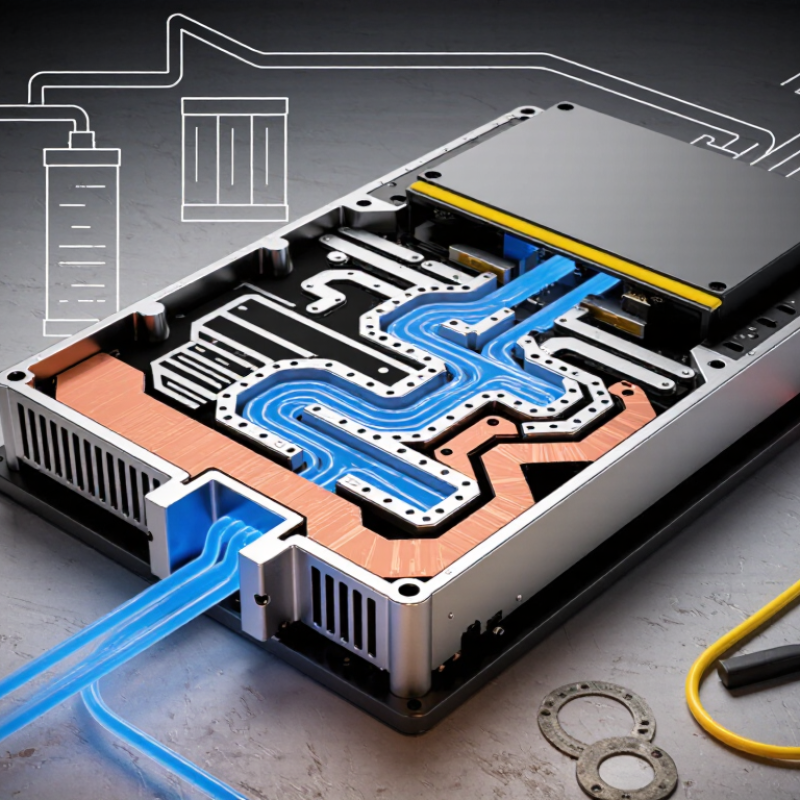
A cooler cold plate stores cooling energy inside a dense metal surface. Refrigerant or another cooling medium removes heat from the plate. When warm products touch it, heat moves into the plate through conduction. The system then restores the lost cooling energy during the next cycle. Simple in theory.
Capacity describes how much heat the plate can absorb before its temperature rises too far. It depends on plate mass, operating temperature, surface contact, insulation, and product load. A larger capacity may support heavier loads, but it can also require more recovery time. Capacity alone does not define performance.
Pull-down time measures how quickly the cooler reaches its target temperature. Testing should record temperatures at several product locations, not only near the plate. ASHRAE 72 testing provides controlled conditions for evaluating refrigerators and freezers. It can examine temperature performance, energy use, and recovery behavior under repeatable procedures. Results become more useful when technicians document ambient temperature, product mass, starting temperature, and sensor placement. Small setup differences matter.
A cold plate may pass a short test yet struggle during repeated door openings. That is where real operation becomes less predictable. The test is valuable, but it is not a perfect copy of every workplace. Engineers should compare rated capacity with actual demand and review pull-down curves, not only final temperature. Mistakes happen when one impressive number carries too much weight.

.svg)