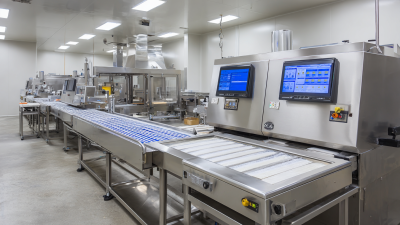
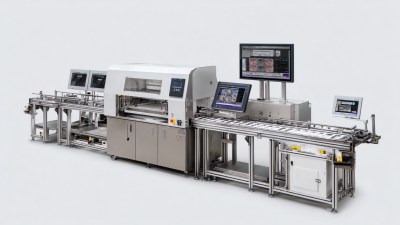
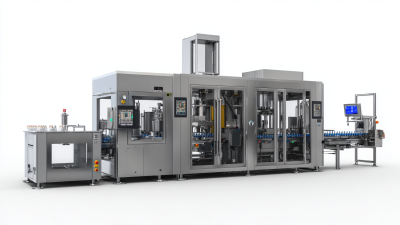
What is Food X-Ray Inspection Equipment? Benefits and Key Features Explained
In the fast-evolving landscape of food safety and quality assurance,
Food X-Ray Inspection Equipment has emerged as an
indispensable tool for the food industry. According to a report by MarketsandMarkets,
the global food inspection market is projected to reach USD 20.87 billion
by 2026, highlighting the increasing importance placed on food safety measures, including advanced
inspection technologies. This growth is driven by stringent regulations and the rising consumer
demand for safe, contamination-free food products.

Dr. Emily Carter, a leading expert in food safety technology, emphasizes the significance
of these developments by stating, "The adoption of Food X-Ray Inspection Equipment not only ensures compliance
with health regulations but also enhances the overall quality and safety of food products." This technology
is renowned for its ability to detect foreign objects, packaging defects, and composition analysis,
making it a vital component in modern food production lines. As the industry shifts towards greater automation
and precision, understanding the benefits and key features of food x-ray inspection
equipment becomes crucial for businesses aiming to secure their position in the market while
prioritizing consumer safety.
What is Food X-Ray Inspection Equipment?
Food X-Ray Inspection Equipment is an advanced technology designed to enhance food safety and quality assurance in the food processing industry. This type of equipment utilizes penetrating X-ray radiation to inspect products for foreign contaminants, ensuring that harmful objects such as metal, glass, or dense plastics are detected before products reach consumers.
According to a 2022 report by Transparency Market Research, the global food X-ray inspection market is projected to grow at a CAGR of 6.5%, fueled by increasing food safety regulations and consumer awareness regarding food quality.

The key features of Food X-Ray Inspection Equipment include its ability to detect a wide range of contaminants, the versatility to inspect various product types from packaged goods to bulk items, and its compliance with stringent industry standards. Moreover, the non-destructive nature of X-ray technology allows for continual monitoring of production lines without compromising product integrity.
As per a report by MarketsandMarkets, 70% of food manufacturers are now utilizing such technologies to enhance safety protocols and minimize the risk of recalls, illustrating a significant shift towards integrating innovative solutions for food safety management.
Understanding the Importance of Food Safety in the Industry
Food safety is a critical concern in today’s food industry, impacting public health and consumer trust. The necessity of ensuring that food products are safe for consumption cannot be overstated, as contamination and foodborne illnesses can have severe consequences. This is where food X-ray inspection equipment plays a pivotal role, offering advanced technology to detect foreign materials and flaws within food products. By employing these inspection systems, manufacturers can enhance quality control processes, ensuring that only safe and high-quality food reaches the market.
The integration of food X-ray inspection technology not only boosts safety but also aids in compliance with industry regulations. As consumers become more informed and concerned about food safety, companies must adapt by implementing stringent safety measures. Regular utilization of X-ray inspections helps businesses identify potential hazards, thereby reducing liability and improving their reputations. Moreover, with features like automated detection and real-time monitoring, food X-ray systems provide a reliable solution for manufacturers seeking to uphold high standards in food safety.
Food Safety Inspection Equipment - Key Benefits
Key Benefits of Implementing X-Ray Inspection in Food Processing
Food X-Ray inspection equipment is becoming increasingly essential in the food processing industry due to its numerous benefits. One of the primary advantages is the enhanced detection capabilities it offers. Unlike traditional inspection methods, X-Ray technology can identify foreign objects, such as metals, glass, and plastics, that may be present in food products. This added layer of safety helps in maintaining product quality and minimizes the risk of contamination, ensuring that only safe products reach consumers.
Moreover, implementing X-Ray inspection can lead to greater operational efficiency. Automated detection systems significantly reduce the need for manual inspection, which can be time-consuming and labor-intensive. This efficiency not only speeds up the production process but also reduces the margin of error associated with human inspectors. Additionally, the data generated from X-Ray inspections can provide valuable insights into production quality and potential issues, making it easier for companies to address concerns proactively and maintain compliance with regulatory standards.
Essential Features of High-Quality Food X-Ray Inspection Equipment
Food X-Ray Inspection Equipment plays a crucial role in ensuring the safety and quality of food products. The essential features of high-quality food X-ray inspection systems include advanced detection capabilities, high image resolution, and ease of integration with existing production lines. These systems are designed to identify contaminants such as metal, glass, and even plastic, which are critical concerns for food manufacturers. Additionally, user-friendly interfaces and real-time monitoring help streamline the inspection process, thereby boosting overall efficiency.
Tips for selecting food X-Ray inspection equipment include evaluating the detection sensitivity to ensure the system meets industry standards, considering the machine's adaptability to various food types, and checking for compliance with food safety regulations. Investing in equipment that offers advanced machine vision technology can significantly enhance the defect inspection process. Such innovations not only improve accuracy but also reduce the risk of product recalls due to contamination, ultimately protecting both consumers and brand reputation.
With the rapid adoption of advanced technologies, businesses are embracing these state-of-the-art inspection systems to revolutionize their quality assurance processes. This trend is further fueled by the demand for greater transparency in food safety and quality, encouraging market growth and leading to the development of more sophisticated inspection solutions.
What is Food X-Ray Inspection Equipment? Benefits and Key Features Explained
| Feature |
Description |
Benefits |
Applications |
| High Sensitivity |
Detects even the smallest foreign objects |
Enhances food safety and quality control |
Meat, poultry, seafood processing |
| Real-Time Imaging |
Provides instant detection results during production |
Increases operational efficiency and reduces downtime |
Snack food, bakery products |
| User-Friendly Interface |
Intuitive controls for easy operation |
Reduces training time and user errors |
Dairy products, ready-to-eat meals |
| Multi-Layer Inspection |
Ability to inspect multiple layers of packaging |
Improves detection of contaminants |
Packaged food, frozen goods |
| Compliance with Standards |
Meets industry safety regulations |
Ensures legal compliance and market access |
All food processing sectors |
How Food X-Ray Inspection Enhances Quality Control and Compliance
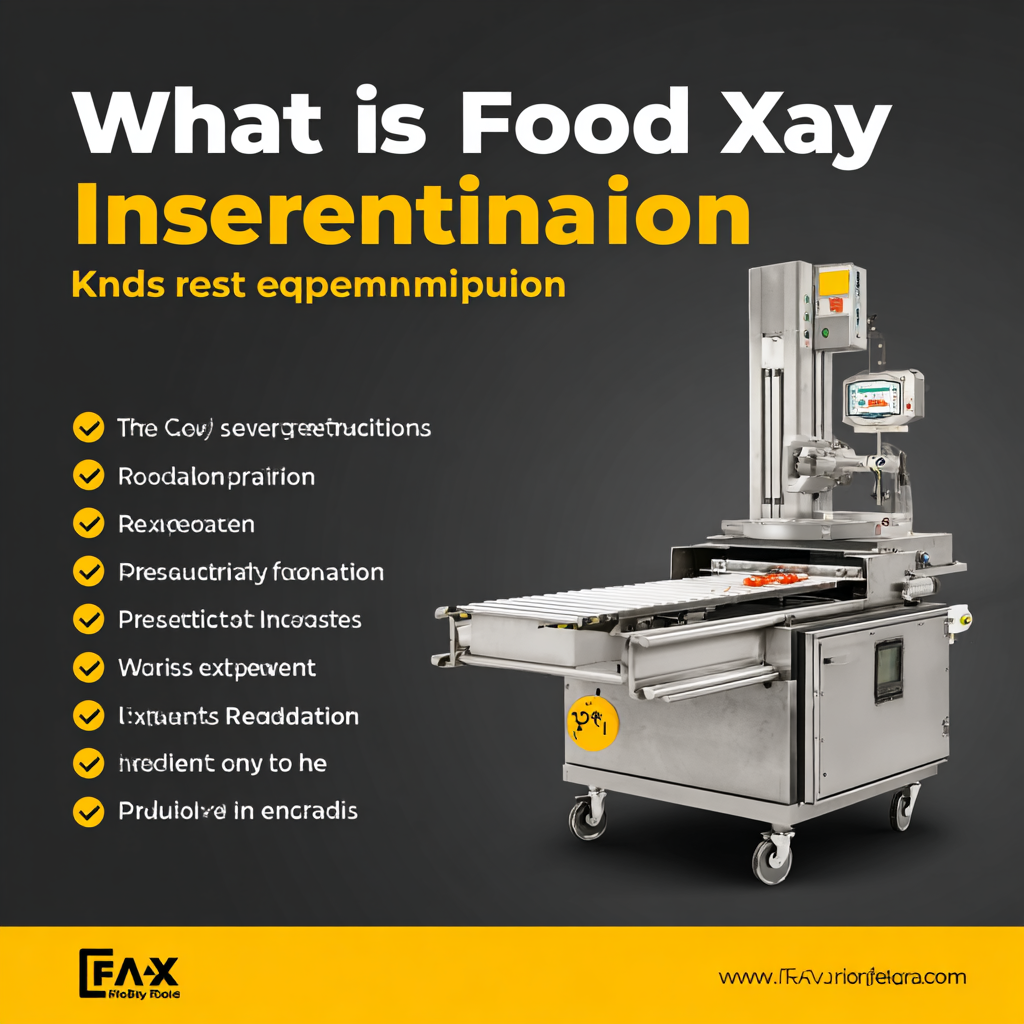 Food X-Ray inspection equipment plays a crucial role in enhancing quality control and compliance within the food industry. By utilizing advanced imaging technology, these systems can detect contaminants, foreign objects, and packaging problems that may compromise food safety. As a result, manufacturers can ensure that their products meet stringent safety regulations, ultimately protecting consumers and their brand reputation.
Tip: Regularly calibrate your X-Ray inspection machines to maintain their accuracy, which is vital for consistent quality control.
In addition to safety compliance, Food X-Ray inspection aids in identifying inconsistencies in product integrity, such as missing components or incorrect labels. This proactive approach not only minimizes potential recalls but also elevates consumer trust in the brand. By implementing this technology, companies can streamline their operations and enhance product quality.
Tip: Train staff on the proper use and maintenance of X-Ray equipment to maximize its effectiveness and longevity.

.svg)