What is Fruit and Vegetable Processing Equipment and How Does It Work
The global market for fruit and vegetable processing equipment is rapidly evolving, driven by the increasing demand for convenience foods and the necessity for sustainable practices in food production. According to a report by MarketsandMarkets, the fruit and vegetable processing equipment market is projected to reach USD 8.4 billion by 2025, growing at a compound annual growth rate (CAGR) of 6.2% from 2020. This growth is fueled by technological advancements and innovations that enhance the efficiency and effectiveness of processing operations.
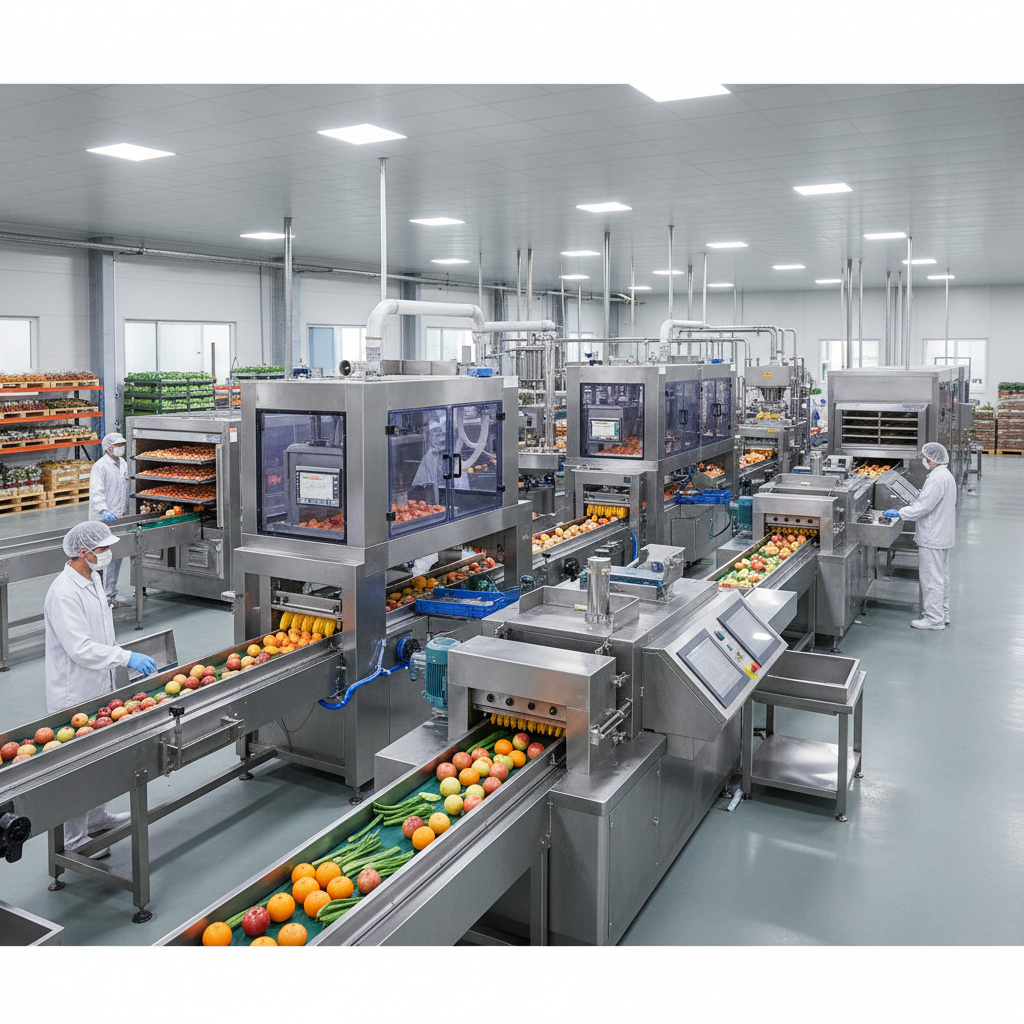
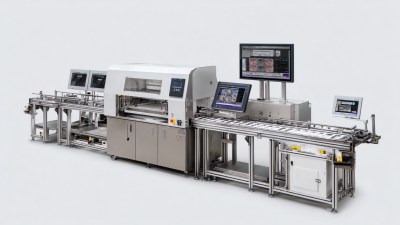
Fruit and vegetable processing equipment encompasses a wide range of machines and tools designed to clean, cut, peel, cook, and package fresh produce. The surge in awareness about healthy eating and the growing consumption of ready-to-eat meals have further stimulated investments in processing technologies. Industry leaders are increasingly focusing on automated solutions that not only optimize production but also improve food safety and quality. As we navigate through the top ten innovations and trends in processing equipment for 2025, the emphasis on sustainability, energy efficiency, and minimizing waste will be paramount in shaping the future of the industry.
Overview of Fruit and Vegetable Processing Equipment Types and Functions
Fruit and vegetable processing equipment plays a critical role in the food industry, facilitating the transformation of raw produce into a wide range of products. This equipment encompasses various types, including washers, peelers, slicers, and packaging machines, each serving unique functions in the processing workflow. According to a report by Mordor Intelligence, the global fruit and vegetable processing equipment market is expected to grow at a CAGR of 5.5% from 2021 to 2026, driven by increased consumer demand for processed foods and advancements in machinery technology.
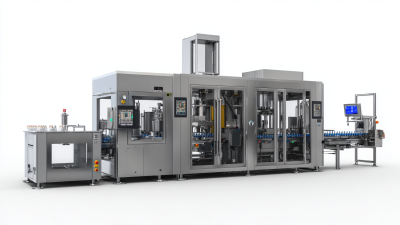
Among the common types of processing equipment, fruit and vegetable peelers stand out for their efficiency in removing skins while preserving the product’s integrity. Slicers and dicers are equally vital, enabling uniform cuts that enhance cooking and presentation. Additionally, packaging machinery ensures that processed products reach consumers while retaining freshness and quality, which is essential in minimizing food waste. The adoption of automation in these processes has not only improved production efficiency but also reduced labor costs, making it a strategic investment for producers aiming to meet the growing market demands.
Key Features and Innovations in 2025 Fruit and Vegetable Processing Technology
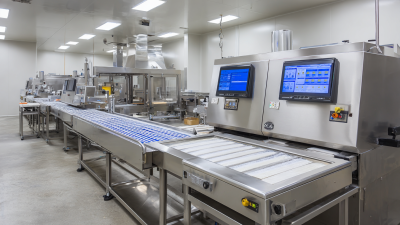
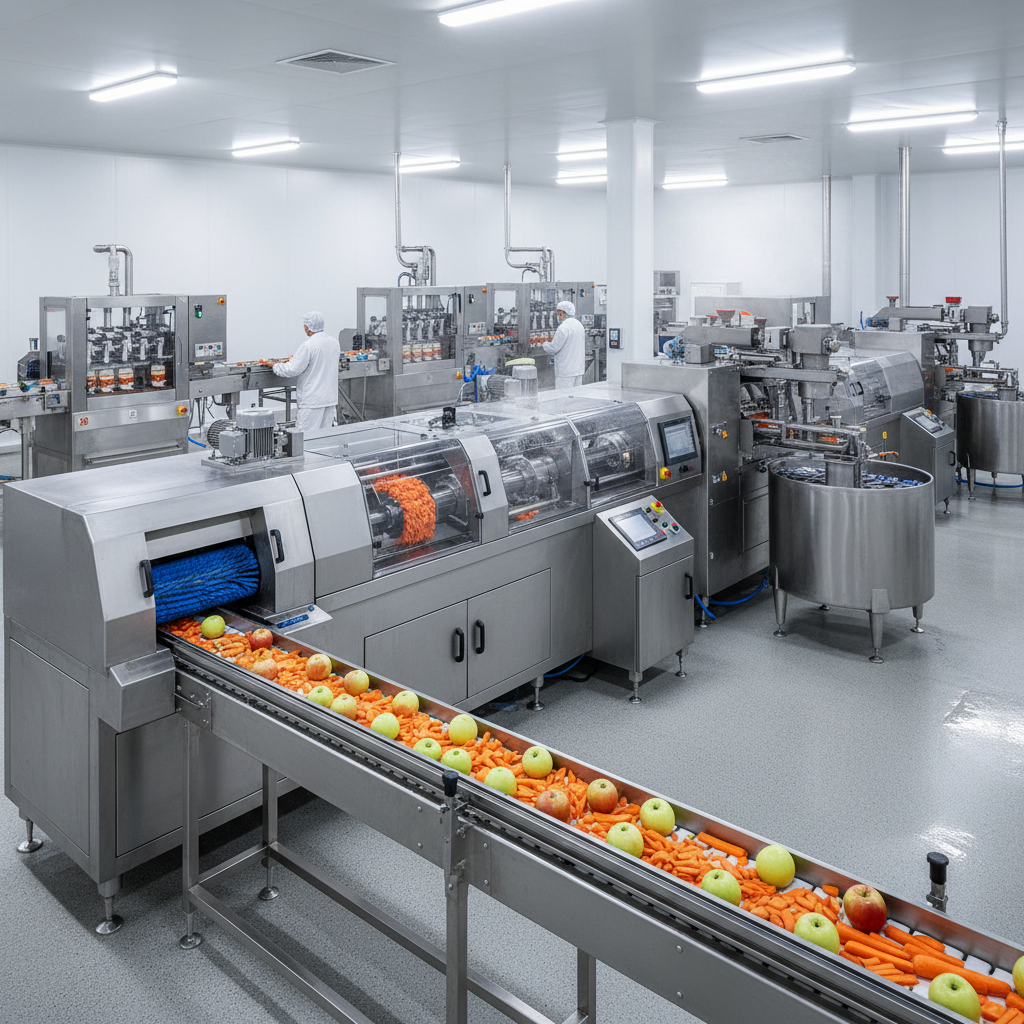
The field of fruit and vegetable processing technology has seen remarkable innovations in 2025, driven by the demand for efficiency and product quality. One of the key features is the integration of advanced automation systems, which enhance the speed and consistency of processing while minimizing human error. This technology involves the use of robotics for sorting, cutting, and packaging, allowing manufacturers to streamline operations and reduce labor costs.
Additionally, real-time monitoring systems equipped with sensors optimize the production process, ensuring that each stage maintains the highest standards of hygiene and freshness.
In response to growing consumer preferences for sustainability, new processing equipment is also focusing on energy efficiency and waste reduction. Innovations like waterless cleaning technologies and heat recovery systems are becoming standard, reducing the environmental impact of processing plants. Moreover, advancements in preservation methods, such as high-pressure processing and natural preservatives, help extend shelf life without compromising nutritional value. These developments not only cater to health-conscious consumers but also address the environmental challenges faced by the food industry, aligning with global sustainability goals.
Top 5 Manufacturers Leading the Fruit and Vegetable Equipment Market in 2025
The global fruit and vegetable processing equipment market is expected to experience significant growth by 2025, driven by increasing consumer demand for convenience foods and healthy options. According to a recent industry report, the market is projected to reach USD 11.5 billion, reflecting a compound annual growth rate (CAGR) of 6.4%. Leading manufacturers are innovating to enhance efficiency, sustainability, and product quality, solidifying their positions in this competitive landscape.
Among the top five manufacturers, companies like Bühler AG and JBT Corporation stand out with their advanced technologies that streamline processing and minimize waste. Bühler AG focuses on integrated solutions for processing, including sorting and cutting, which have become essential in maintaining the freshness and quality of produce. Meanwhile, JBT Corporation emphasizes automation in their processing lines, which helps in reducing labor costs and operational errors.
**Tips:** When selecting processing equipment, consider factors such as energy efficiency and ease of maintenance, as these can significantly impact long-term operational costs. Additionally, investing in machinery that allows for customization can help cater to diverse processing needs, ultimately enhancing product offerings. Staying informed about industry trends can also help manufacturers remain competitive and responsive to market shifts.
What is Fruit and Vegetable Processing Equipment and How Does It Work - Top 5 Manufacturers Leading the Fruit and Vegetable Equipment Market in 2025
| Dimension |
Value |
| Market Size (2025) |
$4.5 billion |
| Growth Rate (CAGR 2021-2025) |
5.2% |
| Key Equipment Types |
Cutting Machines, Washing Machines, Peeling Machines, Packaging Machines |
| Regions with Highest Demand |
North America, Europe, Asia-Pacific |
| Major End Users |
Food Processing Companies, Agriculture Producers, Retailers |
Efficiency Metrics: Evaluating Performance of Processing Equipment in the Industry
Efficiency metrics play a pivotal role in evaluating the performance of fruit and vegetable processing equipment in the industry. These metrics encompass various factors that illustrate how effectively the equipment converts raw produce into processed goods. Key performance indicators (KPIs) such as throughput, yield, and energy consumption provide insights into the operational efficiency. For instance, throughput measures the amount of produce processed in a given time, allowing companies to assess their production capacity and identify bottlenecks. Similarly, yield indicates the amount of finished product obtained from raw materials, crucial for understanding the efficiency of material usage and waste management.
In addition to traditional metrics, the integration of advanced technologies such as automation and real-time monitoring systems has revolutionized performance evaluation. Modern processing equipment often incorporates sensors and data analytics tools that provide real-time feedback on performance. This technological advancement enables processors to quickly identify inefficiencies and adapt operations to enhance productivity. By leveraging these efficiency metrics, businesses can ensure optimal utilization of their processing equipment, reduce costs, and increase overall competitiveness in the marketplace.
Trends Shaping the Future of Fruit and Vegetable Processing in 2025 and Beyond
As we look towards 2025 and beyond, the fruit and vegetable processing industry is undergoing significant transformations driven by evolving consumer demands and technological innovations.
One of the most notable trends is the increasing market for fruit and vegetable juices, which is projected to reach USD 576.8 billion by 2035, exhibiting a robust CAGR of 6.3% from 2025.
This growth reflects a rising interest in health-oriented beverages, prompting manufacturers to invest in advanced processing equipment that can efficiently retain nutrients and flavors while ensuring product safety.

Moreover, sustainable practices are becoming paramount in agricultural production, particularly in regions like California, where vertical farming trends are emerging to enhance crop diversity and resilience.
Innovations in growing techniques, combined with an emphasis on reducing environmental impacts, are not only shaping local agricultural outputs but are also influencing global market dynamics.
As food security continues to challenge producers amid growing population pressures, the integration of technology into fruit and vegetable processing will be crucial in catering to both current and future market needs. By embracing these trends,
businesses can position themselves effectively in an increasingly competitive landscape.

.svg)