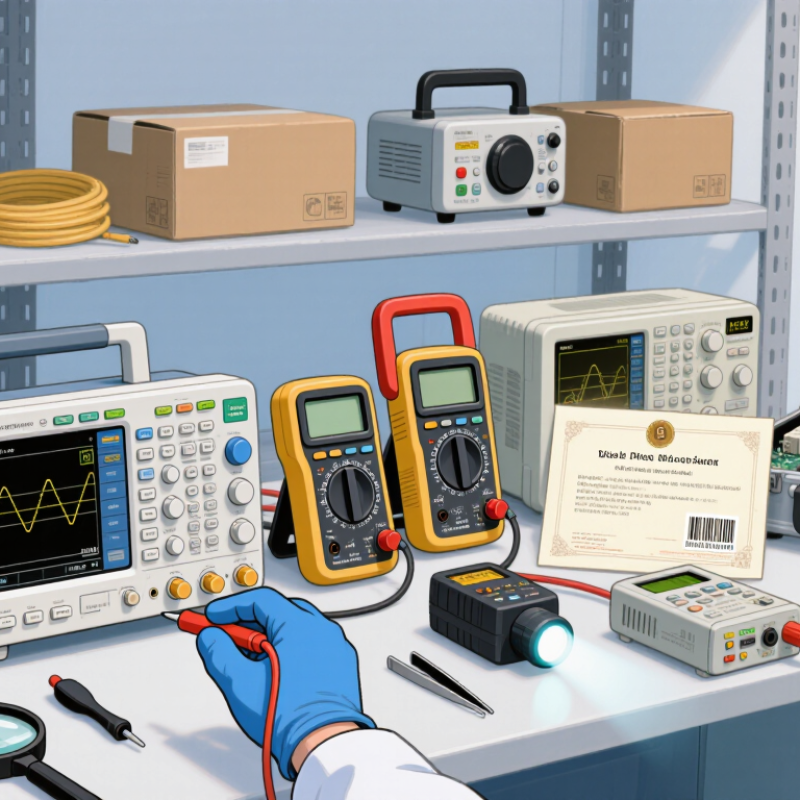
Buying a used measurement device safely requires more than checking its appearance. A scratched case may still hide reliable electronics, while a clean exterior may conceal drift. Request clear photos of the display, ports, probes, seals, and identification label. Ask for recent operating records and calibration documentation. A certificate should show the test date, standards used, and measured uncertainty. It is evidence, not a guarantee.
Test the device before payment whenever possible. Check power-up behavior, screen stability, button response, battery condition, and every connector. Compare readings with a trusted reference under known conditions. Record the results, including room temperature and test values. Small differences can matter. I once overlooked a loose cable because the main reading looked correct. That mistake changed my inspection routine. Now I test accessories separately and repeat critical measurements.
Tips: Put the agreement in writing. Confirm the exact model, included parts, serial number, condition, and test results. Require a clear warranty period, even if it is limited. The warranty should explain covered faults, repair responsibilities, and response time. Also confirm the return window before purchasing. Ask who pays return shipping and whether a restocking fee applies. Keep screenshots, emails, invoices, and delivery photos. If the seller avoids practical questions or refuses a reasonable test, pause the purchase. A lower price is not protection.

.svg)