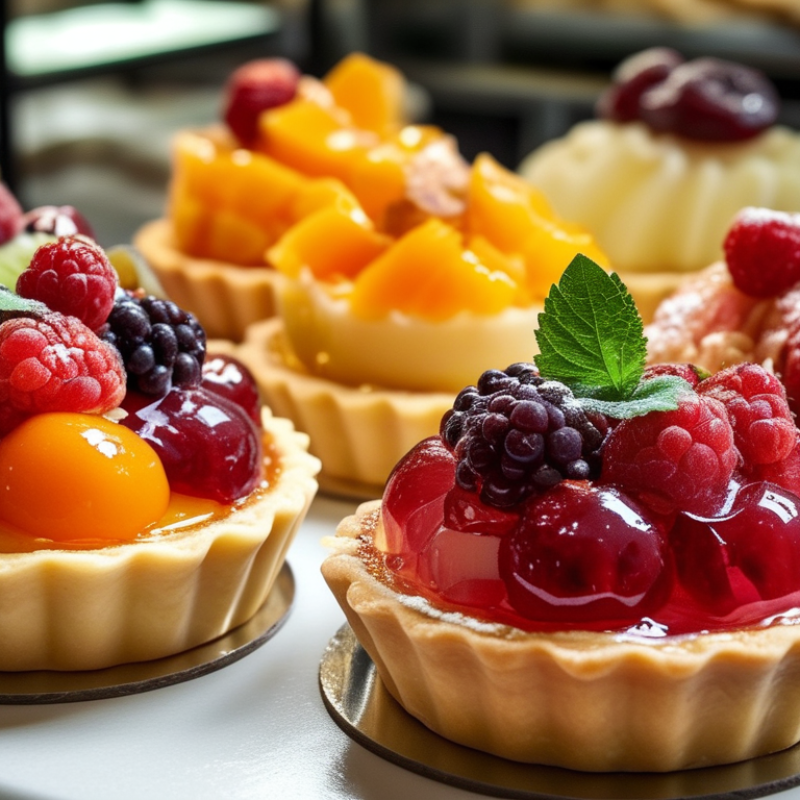
A jelly tart may look simple, but its safety depends on controlled ingredients, heat, filling, and packaging. For global buyers, HACCP records offer a practical view of manufacturing discipline. Teams should map hazards from fruit preparation through cooling and dispatch. Key controls include allergen separation, hygienic handling, metal detection, and verified sanitation. Small errors matter.
Thermal processing must match the recipe, filling depth, container, and target acidity. Operators should validate time and temperature with calibrated instruments, rather than trust a display reading alone. A documented heat profile can show whether the center reached the required condition. Cooling also needs control, because warm, moist products can invite microbial growth. Not every tart needs the same process. That changes everything.
Shelf-life testing should reflect real shipping conditions, including humidity, temperature swings, and extended storage. Samples are checked for pathogens, yeast, mold, texture, color, odor, and package integrity at planned intervals. Results should support a defensible expiry date, not an optimistic guess. Buyers should request batch codes, test methods, deviation records, and corrective actions. A clean certificate is useful, but it is not the whole story. Manufacturing teams should review unexpected results honestly, even when the product remains saleable. Perfect control is rarely realistic; transparent correction is more trustworthy.

.svg)