Food Safety Insights

In Eagle’s Advanced Insights Blog, experts share their know-how by keeping you up-to-date with the latest trends to ensure your inspection equipment keeps your products safe. Eagle is an industry leader when it comes to performance and innovation, and we’ll share the news that’s important to you to enhance your quality assurance program.

Suggest topic you would like to see at:

sale@generalmachinery.org

5 Tips for ANSI Rated Three Phase Oil Transformers?

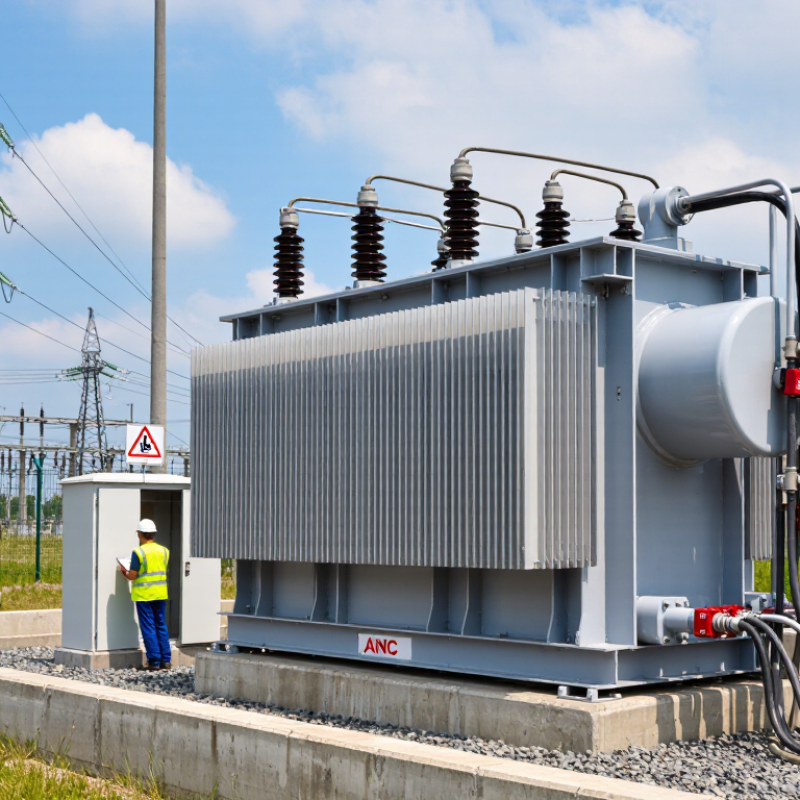
Selecting an Ansi Rated Three Phase Oil Transformer For Utility Use requires more than comparing voltage, capacity, and price. Field conditions often reveal problems that catalogs do not show. A transformer may look suitable on paper, yet fail to match local load patterns, ambient temperatures, or installation limits.

This guide presents five practical tips for evaluating these transformers. It examines nameplate data, oil quality, cooling performance, insulation strength, and maintenance access. Small details matter. A loose bushing connection can create heat. Poor ventilation can shorten insulation life. Moisture in oil can remain invisible until testing exposes it.

Reliable decisions need evidence. Review factory test reports, certified drawings, and service records before approval. Ask whether the supplier follows applicable ANSI and IEEE transformer practices. Also confirm grounding, protection, noise expectations, and utility specifications with qualified engineers.

Experience helps, but it does not remove uncertainty. A clean inspection report can still miss a developing seal leak. Even experienced teams sometimes focus on electrical ratings and overlook lifting space or oil containment. That mistake is costly. These tips encourage a more complete review, combining technical knowledge with practical field judgment. The best choice is not always the largest unit or the lowest bid. It is the transformer that fits the network, environment, operating duties, and long-term maintenance plan. Plan carefully. Inspect consistently. Improve the process when evidence challenges your assumptions.

5 Tips for ANSI Rated Three Phase Oil Transformers?

Define ANSI Ratings: 60 Hz, 65°C Winding Rise, and 40°C Ambient

5 Tips for ANSI Rated Three Phase Oil Transformers?

ANSI ratings establish the operating conditions behind a transformer’s nameplate data. For a three phase oil transformer, this means the published capacity assumes a 60 Hz system. Frequency matters because core flux can increase when voltage and frequency do not match. That condition may raise losses, noise, and temperature.

The 65°C winding rise describes how much hotter the windings may become than the surrounding oil under rated load. The oil still removes heat through radiators, ducts, and natural or forced circulation. The 40°C ambient reference defines the outside air condition used for the rating. Hotter sites may require derating, improved cooling, or a larger transformer. Check the actual site temperature, not only the catalog value.

Verify the nameplate frequency. Confirm the winding-rise limit. Review the ambient temperature. Inspect oil level, bushings, and cooling paths during commissioning.

In field reviews, blocked radiator surfaces are a surprisingly common problem. Small details matter. Load records also deserve attention, especially when harmonics or continuous overloads exist. A transformer can appear healthy while operating hotter than expected. One imperfect assumption can shorten insulation life. Engineers should compare factory test data, installation conditions, and measured temperatures before accepting the rating as a complete operating guarantee.

Verify Three-Phase Load Capacity Using kVA, Voltage, and Impedance Data

5 Tips for ANSI Rated Three Phase Oil Transformers

An ANSI-rated three-phase oil transformer still requires careful load verification. The nameplate offers the starting point, not the entire answer. Compare the transformer’s kVA rating with the measured demand and expected future load. Use kVA = √3 × voltage × current ÷ 1,000 for balanced three-phase systems. Leave practical capacity margin for motor starting, ambient heat, and load growth.

kVA = √3 × voltage × current ÷ 1,000

Tip 1: Confirm both primary and secondary voltages. A mismatch can create overheating or poor equipment performance.

Tip 2: Check impedance percentage. Higher impedance usually limits fault current but may increase voltage drop during heavy loading. Lower impedance improves regulation, yet it can raise available fault current. The tradeoff matters.

Tip 3: Review phase balance with a calibrated meter. A transformer may appear adequately sized while one phase carries excessive current.

Tip 4: Inspect cooling conditions, oil temperature, tap position, and ventilation around the enclosure. Rated kVA can change under specific temperature or cooling assumptions.

Tip 5: Compare calculations with field data and test reports. Measurements sometimes challenge the design estimate.

That is useful, not embarrassing.

Harmonic-producing loads can also distort current and increase heating, even when average kVA seems acceptable. Parallel operation requires matching voltage ratios, polarity, phase sequence, and impedance. Small differences can create circulating current. Safety procedures and qualified personnel remain essential during inspection.

Select Insulation Levels by ANSI BIL Classes, Including 95–150 kV

ANSI/IEEE insulation selection should begin with Basic Insulation Level, or BIL, not transformer size alone. For medium-voltage three-phase oil transformers, common impulse levels include 95, 110, 125, and 150 kV. IEEE C57.12.00 and IEEE C57.12.90 define insulation coordination and dielectric testing practices. BIL is an impulse withstand rating, not continuous operating voltage.

Tip 1: Match BIL with the system’s maximum voltage and grounding method. Tip 2: Consider lightning exposure, feeder length, and surge-arrester location. NOAA reports approximately 25 million cloud-to-ground lightning flashes annually in the United States. That number makes a 95 kV selection deserve careful review. Tip 3: Check altitude corrections for installations above standard test conditions. Air insulation becomes less effective as elevation increases. Small details matter.

Tip 4: Coordinate transformer BIL with arrester protective levels. A 150 kV BIL can provide greater margin, but it may increase cost, dimensions, and testing requirements. Tip 5: Confirm phase-to-ground and phase-to-phase insulation separately with the manufacturer’s test records. IEEE data and field practice support conservative coordination, yet local fault history remains important. I would not choose 125 kV automatically because it looks balanced. That shortcut can fail. Review switching surges, cable capacitance, oil preservation, and future feeder expansion before approval.

5 Tips for ANSI Rated Three Phase Oil Transformers? - Select Insulation Levels by ANSI BIL Classes, Including 95–150 kV

Tip Selection Dimension ANSI BIL Class Typical Nominal Primary Voltage Key Technical Guidance
1 Match BIL to the system voltage class 95 kV Up to approximately 15 kV class systems A 95 kV BIL is commonly associated with medium-voltage systems in the 15 kV class. Confirm the equipment voltage class, maximum system voltage, grounding method, and the utility insulation-coordination study before final selection.
2 Allow for higher exposure on 25 kV class systems 125 kV Approximately 25 kV class systems A 125 kV BIL level is widely used for transformer windings connected to 25 kV class distribution systems. It provides a higher impulse withstand capability than the 95 kV level for lightning and surge exposure.
3 Use the higher class for 35 kV applications 150 kV Approximately 34.5 kV class systems A 150 kV BIL is a common insulation level for transformers connected to 35 kV class systems. Check phase-to-ground and phase-to-phase clearances, bushing ratings, and terminal hardware for the selected impulse level.
4 Coordinate surge protection with the transformer BIL 95–150 kV Depends on the connected distribution system Surge arresters should be selected by continuous operating voltage, temporary overvoltage capability, discharge characteristics, and grounding conditions. Install arresters as close as practical to the transformer terminals and keep connection leads short.
5 Verify environmental and test requirements 95, 125, or 150 kV Selected according to the complete installation Specify altitude, pollution severity, outdoor or indoor installation, creepage distance, oil-preservation system, and applicable production tests. At high altitude, reduced air density can require increased external insulation clearances.
Technical note: Basic Insulation Level (BIL) is the rated crest withstand voltage for a standardized lightning impulse test, expressed in kilovolts peak. BIL is not the normal operating voltage and should not be selected without checking the maximum system voltage, grounding arrangement, surge environment, and applicable ANSI/IEEE transformer requirements.

Control Oil Temperature with 65°C Rise Limits and IEEE Testing

ANSI-rated three-phase oil transformers need more than a nameplate inspection. Their 65°C winding temperature-rise limit is a practical thermal boundary, not a target for routine operation. Excess heat accelerates insulation aging and can reduce service life.

During a site inspection, technicians should compare top-oil temperature, ambient temperature, load current, and cooling-stage status. A calibrated resistance method can verify winding temperature rise during testing. IEEE test procedures also help evaluate losses, impedance, dielectric strength, and temperature performance under controlled conditions. Keep sensors close to real heat zones. A poorly placed probe can create false confidence.

Cooling control should respond gradually. Fans may start from oil temperature or winding calculations, depending on the control design. Alarm settings must leave time for operators to reduce load before an emergency trip. Oil level, blocked radiators, loose connections, and dirty cooling surfaces deserve attention. Small faults become hot spots.

Do not trust one test result blindly. Factory data may not reflect high-altitude installation, restricted airflow, or uneven loading. Field conditions require review. A neat spreadsheet is not enough. Engineers should document test instruments, ambient conditions, tap position, and load symmetry. Three-phase imbalance is easy to overlook, yet it can raise local heating. The 65°C limit still matters, even when average oil temperature appears normal.

Schedule Maintenance Using Oil Tests, Moisture Checks, and Thermal Scans

ANSI-rated three-phase oil transformers need maintenance based on evidence, not guesswork. In field inspections, I begin with a baseline oil sample after commissioning or major repair. Test dielectric strength, moisture, acidity, and dissolved gases. These results reveal insulation aging, overheating, or internal arcing before visible damage appears. Sampling technique matters. A dirty bottle can distort a good transformer’s story.

Schedule oil testing annually for stable units, but shorten the interval after alarms, heavy loading, or unusual noise. Compare every result with previous records and laboratory reference limits. A single abnormal value deserves investigation, not panic. Trends usually tell more than isolated numbers. I once saw a modest moisture increase become serious because nobody compared it with earlier reports.

Moisture checks should include oil temperature, ambient conditions, and breather condition. Cold weather can hide water movement inside the tank. Thermal scans should follow oil tests and occur under meaningful load. Scan bushings, cable connections, radiators, tank surfaces, and tap-changer compartments. Look for uneven phases or a hot connection beside cooler conductors. Record load current, weather, and scan distance with each image. Otherwise, the comparison is weak. Maintenance teams should review findings together, then assign a clear action date. Small documentation gaps remain common. They are easy to fix, but easy to ignore.

Any Questions? We Are Here for You

Contact Us

Contact Us

Request information

Ask us a question
Service Support

Service Support

Available 24 hours a day, 7 days a week.

Get in Touch
Find a representative

Find a representative

Contact your local representative

View Locations