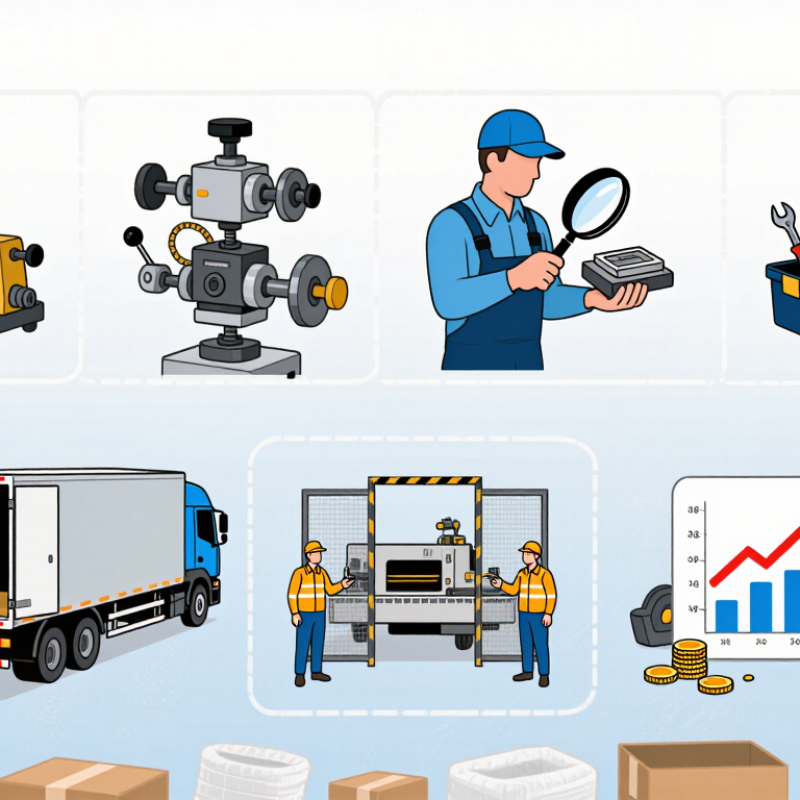
7 Tips for Choosing Die Cutter Manufacturers
Pricing is only the opening question. Ask whether the quote includes tooling, delivery, installation, training, and replacement parts. Compare the total operating cost, not only the machine price. A cheaper die cutter may require longer setup time or more maintenance. Request sample cuts using your actual material, tolerances, and production speed.
Tip 1: Verify every commercial detail in writing.
Tip 2: Request a milestone-based lead-time schedule. It should show design approval, tooling, factory testing, shipment, and commissioning.
The 2024 MHI Annual Industry Report found that 55% of supply-chain professionals planned to increase technology investment. This supports asking for digital production updates, not vague promises.
Still, schedules can slip. Keep a realistic production buffer.
Support quality deserves equal attention.
Ask for response times, spare-parts availability, technician coverage, and training hours.
Tip 3: Test support before purchasing. Send three technical questions and measure the clarity and speed of each reply.
Tip 4: Request customer references with similar materials and volumes.
McKinsey research has reported that roughly 90% of supply-chain leaders invested in resilience after recent disruptions. A reliable supplier should explain backup processes, inspection records, and corrective actions.
Tip 5: Require documented factory acceptance testing.
Tip 6: Check service coverage near your facility.
Tip 7: Review the contract for warranty limits and delivery penalties.
I would not rely on a polished factory tour alone. Ask difficult questions. Record the answers.

.svg)