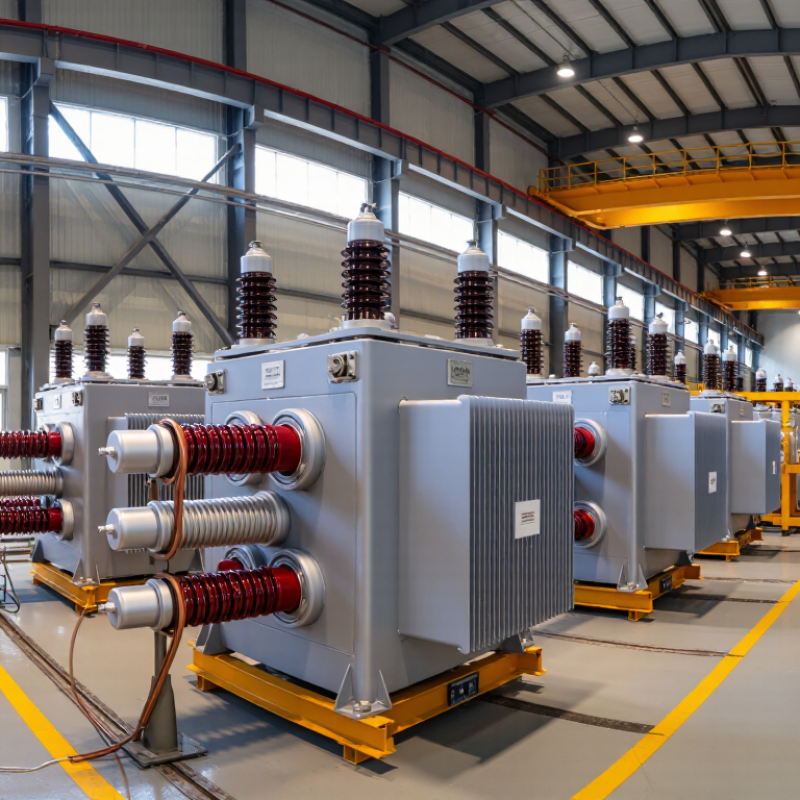
Choosing among China’s top power oil transformer manufacturers requires more than comparing price lists. A credible supplier should show verified experience with the required voltage class, capacity, cooling method, and installation environment. Ask for project references with similar operating conditions. Ask for evidence.
Technical evaluation should begin with compliance. Review test reports against applicable IEC or GB standards, including temperature-rise, lightning-impulse, load-loss, no-load-loss, and partial-discharge tests. Check whether reports come from qualified laboratories and match the proposed design. A factory audit can reveal more than a polished brochure. Inspect winding assembly, core stacking, oil treatment, welding quality, and cleanliness in the production area. Records matter.
Reliability also depends on traceability. Leading manufacturers should identify material batches, inspection stages, calibration dates, and final-test results. Their quality system should support corrective actions, not merely display certificates. Examine the transformer’s tank sealing, oil preservation system, bushings, protection devices, and transport arrangement. Service capability matters too. Confirm commissioning support, spare-parts access, warranty terms, and response procedures for abnormal temperature or oil leakage. Do not rush.
A manufacturer may perform well in routine testing but lack field experience with harsh climates, heavy cycling, or unstable grids. That gap matters. Request realistic references, not only successful laboratory data. I would also compare delivery records, design-change control, and communication during technical clarification. Small omissions here can become expensive delays after installation. A careful evaluation should remain open to doubt, because the lowest quotation rarely shows the complete ownership cost.

.svg)