Top 10 Servo Motor Applications You Need to Know?
Servo Motors have become indispensable in modern automation and robotics. According to a report by MarketsandMarkets, the global servo motor market is expected to reach $8.3 billion by 2026, growing at a CAGR of 6.4%. This rapid growth highlights the importance of understanding servo motor applications across various industries. Notably, David Johnson, a leading expert in motion control systems, states, “Servo motors are the backbone of precision-driven applications.”
In manufacturing, servo motors play a crucial role in enhancing efficiency and accuracy. They are widely used in robotics, CNC machinery, and conveyor systems. However, the complexity of selecting the right servo motor may pose challenges, as different applications require distinct specifications. High precision and responsiveness are vital, yet many still underestimate the potential pitfalls in motor selection and integration.
Servo motors also find significant applications in the automotive sector, medical devices, and aerospace. Each industry demands unique features that can complicate the decision-making process. As we explore the top ten applications of servo motors, it is essential to recognize their versatility while navigating the complexities of implementation.
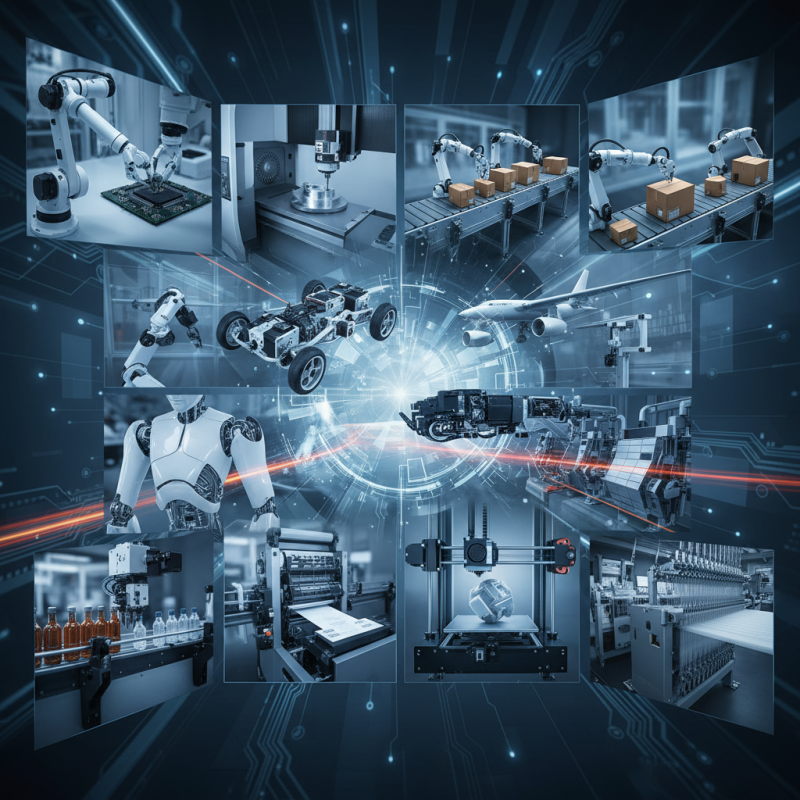
Overview of Servo Motors and Their Functionality
Servo motors are vital components in many modern applications. They are designed to provide precise control of angular or linear position. These motors are often used in robotics, CNC machinery, conveyor systems, and aerospace. Their ability to maintain speed and position under load makes them a preferred choice for automation.
The core functionality of servo motors lies in their feedback mechanisms. They operate by receiving a control signal, which dictates their desired position. A sensor then monitors the actual position and sends this data back. This feedback loop allows for high accuracy and quick adjustments. However, achieving perfect alignment isn't always feasible. Factors like mechanical wear and environmental conditions can introduce errors.
Additionally, the design of a servo motor impacts its performance. Different types, such as AC and DC servos, serve unique purposes. While one might excel in speed, the other might offer better torque. Choosing the right type requires careful consideration of the specific application. This complexity can challenge those new to the technology, highlighting the need for expertise in the field.
Industrial Automation: The Role of Servo Motors in Manufacturing
Servo motors play a pivotal role in industrial automation, enhancing manufacturing efficiency and precision. These motors convert electrical energy into mechanical motion, making them ideal for tasks that require accurate positioning. In automated assembly lines, servo motors drive robotic arms, ensuring each movement is precise. They contribute to reducing waste and increasing production speed, while maintaining product quality.
When integrating servo motors, consider the load requirements. Adjusting the torque settings is crucial to avoid mechanical failures. A too high torque can strain the system, while too low may lead to inaccurate positioning. Monitor the motor’s performance regularly to identify potential issues before they escalate. Regular maintenance can also help in prolonging the motor's lifespan, reducing downtime.
Another aspect to consider is the selection of the right feedback system. Closed-loop systems provide real-time adjustments, ensuring optimal performance. However, these systems can be more complex and costly. Weigh the benefits against the expenses involved. Effective troubleshooting protocols are essential for maintaining operational continuity. It's vital to train your staff on these protocols for better handling of servo motor applications.
Top 10 Servo Motor Applications in Industrial Automation
| Application | Industry | Description | Benefits |
| Robotics | Manufacturing | Servo motors are used for precise control of robotic arms and movements. | High accuracy and repeatability. |
| CNC Machines | Machinery | Control the movement of cutting tools with precision. | Improved cutting quality and reduced waste. |
| Conveyor Systems | Logistics | Servo motors manage the speed and position of conveyor belts. | Enhanced speed control and synchronization. |
| 3D Printing | Additive Manufacturing | Drives the movement of print heads and build platforms. | Higher precision in layer deposition. |
| Packaging Machines | Food and Beverage | Controls the precise movements needed for packaging. | Increased throughput and reduced downtime. |
| Textile Machines | Textile | Used in weaving and knitting machines for positional accuracy. | Improved fabric quality and reduced defects. |
| Elevators | Construction | Precision control allows for smooth and efficient operation. | Enhanced safety and comfort for passengers. |
| Medical Equipment | Healthcare | Drives movements in surgical robots and imaging devices. | Increased accuracy in medical procedures. |
| Aerospace | Aerospace | Used in control surfaces and positioning in aircrafts. | Higher reliability and precision in flight control systems. |
Robotics: How Servo Motors Drive Precision and Control
In the realm of robotics, servo motors are critical for achieving precision and control. These motors utilize feedback systems to ensure that movements are accurate. According to the International Federation of Robotics, around 2.7 million industrial robots were in operation globally as of 2020. Most of these robots depend heavily on servo motors for smooth and precise operations.
The demand for precise control in robotics is increasing. Servo motors allow for finer movements, which are essential in applications like robotic arms and autonomous vehicles. A study by Research and Markets indicated that the global market for servo motors is expected to grow at a CAGR of 6.9% from 2021 to 2028. This growth highlights their importance across multiple sectors, including manufacturing and logistics.
However, not all servo systems are error-free. In complex robotics tasks, issues often arise. For example, feedback loops can become unstable, causing erratic movements. This reality powers a need for better diagnostic tools and improved design strategies. Developers must continually refine their systems to enhance reliability and performance in robotic applications.
Top 10 Servo Motor Applications
Consumer Electronics: Servo Motors in Everyday Devices
Servo motors play a vital role in consumer electronics, enhancing functionality in everyday devices. These motors are widely used in robots, drones, and cameras, providing precise control over movements. According to a recent industry report, the global demand for servo motors in consumer electronics is expected to grow by 8% annually until 2027. This growth is driven by advancements in automation and the need for smart, responsive devices.
In devices like automated vacuum cleaners, servo motors enable efficient navigation. They allow these cleaners to maneuver around obstacles smoothly. In cameras, servo motors adjust focus and zoom with incredible precision, improving user experience. However, not all applications succeed. Some devices struggle with integration, leading to performance issues. A survey indicated that 20% of manufacturers faced challenges in optimizing motor control for their devices.
Moreover, there is a push for smaller, more energy-efficient servo motors. This trend is important as consumers demand longer-lasting battery life. Despite advancements, many devices still find a trade-off between size and performance. The quest for the perfect balance continues, as engineers strive to meet increasing consumer expectations without compromising device reliability.
Aerospace and Aviation: Servo Motors in Flight Controls and Navigation
In the aerospace and aviation sectors, servo motors play a crucial role in flight controls and navigation systems. These precision devices regulate control surfaces, such as ailerons and rudders, to ensure optimal aircraft performance. According to an industry report by Future Market Insights, the aerospace servo motor market is expected to reach $4.2 billion by 2026. This growth highlights the increasing reliance on advanced technology for improving flight safety and efficiency.
Servo motors are essential for maintaining stability and responsiveness in flight dynamics. They enable quick adjustments in real-time, essential during complex maneuvers. For instance, the rapid response of servo motors enhances autopilot systems, allowing them to maintain altitude and speed accurately. However, challenges remain. The reliance on electronic systems can lead to vulnerabilities, especially in the event of power failures. Reports indicate that power-related issues contribute to 30% of in-flight anomalies, prompting ongoing research into more reliable power sources and redundant systems.
Moreover, integration with artificial intelligence is transforming how servo motors operate. Machine learning algorithms analyze data from sensors, allowing for predictive adjustments. However, while smarter systems promise improved reliability, they also introduce complexity. More data points mean more potential failure modes. The industry must tread carefully, balancing innovation with reliability to ensure passenger safety in the skies.

.svg)


