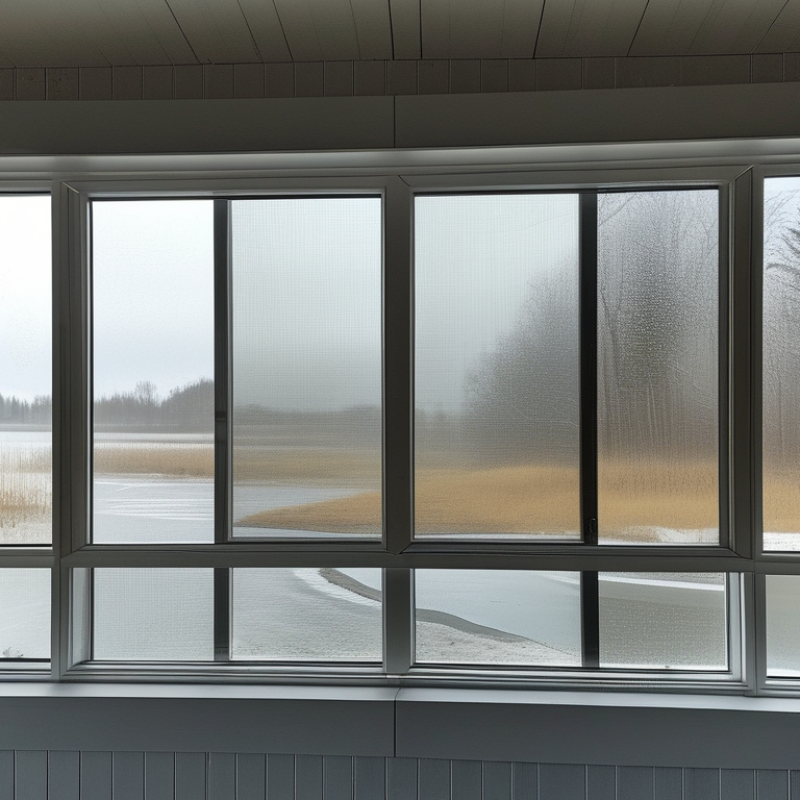
Choosing among the top 10 types of storm windows requires more than comparing glass thickness.
Climate, building codes, and installation conditions must work together. In coastal hurricane zones, impact-rated laminated glass or reinforced panels may provide stronger protection. In cold regions, low-emissivity glass, sealed air spaces, and interior storm windows can reduce heat loss. For hot, humid areas, ventilated designs may help control condensation.
Start with exposure.
Interior storm windows suit older buildings where exterior façades cannot be altered. Exterior units often protect original frames from wind-driven rain and debris. Triple-track windows offer flexible ventilation, while removable panels simplify seasonal maintenance. Acrylic panels are lighter, but glass usually provides better scratch resistance and long-term clarity.
Details matter. Field inspections often reveal loose frames, blocked drainage, or incorrect measurements. These issues can weaken an otherwise suitable system.
Global buyers should request performance data for air leakage, water resistance, wind pressure, thermal performance, and impact testing. Local authorities may require specific ratings, emergency egress, safety glazing, or heritage approval. Requirements differ between a high-rise apartment in Singapore and a detached home in Canada.
Confirm the code before ordering. Measure twice.
A common purchasing mistake is selecting the strongest product without checking frame compatibility or installer skill. That choice can increase condensation, restrict opening access, or void important approvals. A reliable supplier should provide clear drawings, test evidence, maintenance guidance, and realistic lead times. Some projects need customization; others need simpler, repairable designs.

.svg)