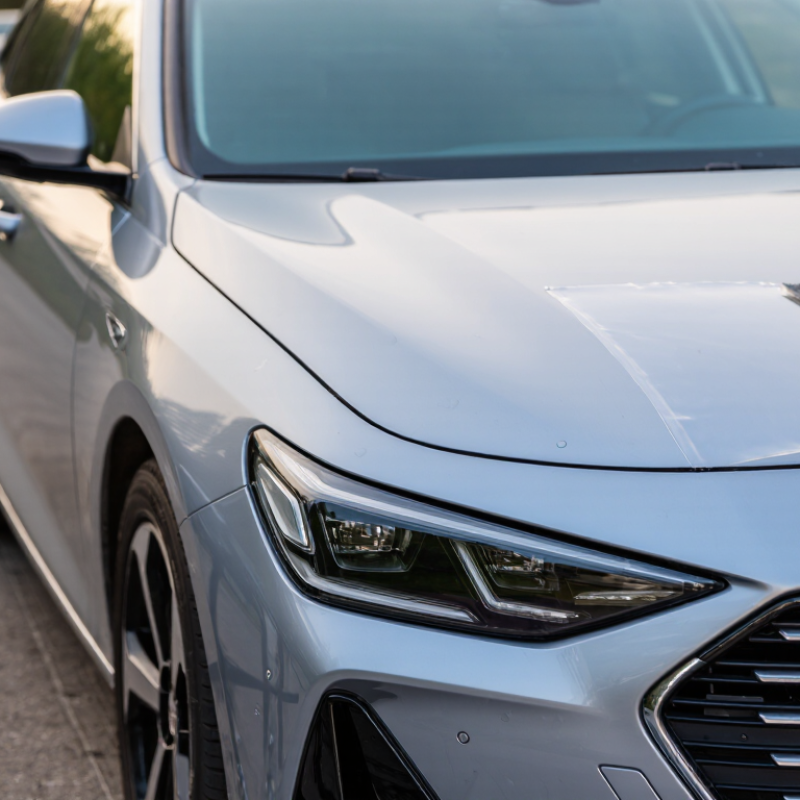
Car paint protection film, or PPF, is a transparent urethane layer that shields painted surfaces from stone chips, road grit, insects, and light scratches. Its clear top layer can reduce visible marks, but it is not indestructible. Good results depend heavily on installation quality.
Installation begins with thorough washing, decontamination, and paint inspection. Dust or trapped wax can create bubbles beneath the film. A trained installer measures each panel, applies a suitable slip solution, and uses a soft squeegee to guide out water and air. Edges should be wrapped where practical, without stretching the material excessively. The film then needs time to bond in a clean, controlled space. Small imperfections can still appear. They deserve honest inspection rather than quick dismissal.
Maintenance is simple but careful. Wash the vehicle with pH-neutral soap, clean water, and a soft microfiber mitt. Remove bird residue, tree sap, and road salt promptly. Avoid abrasive compounds, harsh solvents, and stiff brushes, which may dull the surface or lift an edge. Inspect seams after washing, especially around mirrors, door handles, and wheel arches. If an edge begins to separate, professional repair is safer than pressing dirt underneath it.
Removal should also be handled by an experienced technician. Gentle, even heat softens the adhesive, while slow peeling limits stress on the paint. Pulling sharply or removing film from cold panels can leave adhesive or damage weak paint. A professional should check the paint condition before removal, because existing repairs may react differently.

.svg)