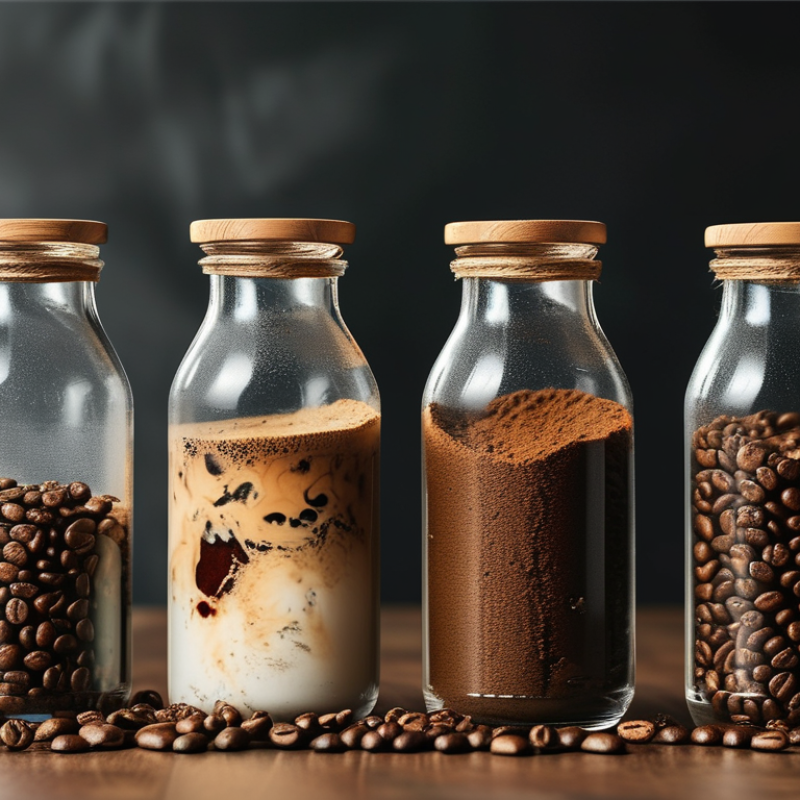
A reliable freeze-dried coffee supplier proves consistency before discussing price.
Start with traceability. The supplier should identify origin, harvest period, processing method, and lot number. This information helps buyers investigate flavor changes and quality complaints.
The USDA Coffee: World Markets and Trade report, published in June 2024, forecast global coffee production at about 176.2 million 60-kilogram bags for 2024/25.
Such a large supply chain still faces weather, shipping, and crop-quality risks. Reliable suppliers manage these risks through multiple approved origins and documented contingency plans. Ask for certificates of analysis covering moisture, microbiological safety, caffeine, and particle size.
Sensory records should also show aroma, acidity, body, and aftertaste. ISO 22000 or equivalent food-safety systems add confidence, but certification alone is not enough.
Visit the facility when possible. Look at storage conditions, cleaning records, and batch controls. I have found that polished presentations can hide weak production discipline. A sample may taste excellent, yet repeatability remains uncertain.
Tips:
Request three production lots, not one sample. Compare dissolution time in room-temperature water. Check the same flavor notes across each lot. Confirm minimum order quantities, lead times, packaging protection, and recall procedures in writing. The best suppliers communicate problems early. They do not promise perfection. They provide evidence, corrective actions, and realistic delivery dates.

.svg)