Food Safety Insights

In Eagle’s Advanced Insights Blog, experts share their know-how by keeping you up-to-date with the latest trends to ensure your inspection equipment keeps your products safe. Eagle is an industry leader when it comes to performance and innovation, and we’ll share the news that’s important to you to enhance your quality assurance program.
Suggest topic you would like to see at:

sale@generalmachinery.org

Why Is Grape Jelly So Popular Worldwide?

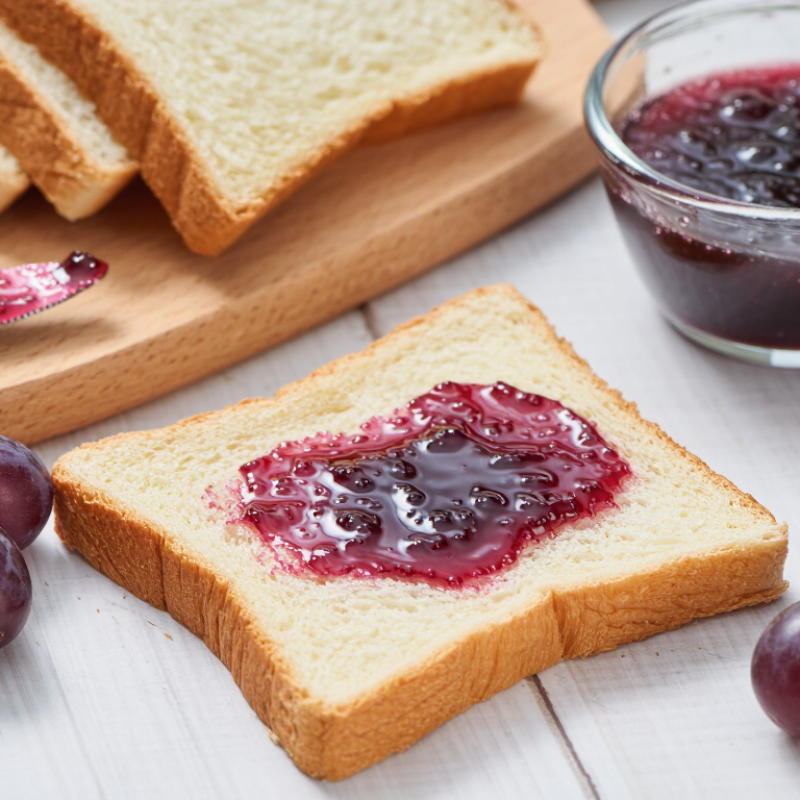
Why is Grape Jelly so popular worldwide? Its appeal begins with a familiar sensory picture: a purple spread, soft bread, and a sweet aroma opening at breakfast. Grape Jelly combines sweetness, mild acidity, smooth texture, and easy portioning. These qualities make it practical for sandwiches, pastries, sauces, and snack foods. It also travels well and requires no preparation. That matters in busy households.

Industry reports support this broader trend. Grand View Research projects continued growth in the global jams, jellies, and preserves market through 2030. IMARC Group also identifies convenience, fruit-based ingredients, and premium packaging as important market drivers. These reports do not measure Grape Jelly alone, which is an important limitation. Still, they show how familiar fruit spreads remain commercially relevant. Retail shelves often place Grape Jelly beside peanut butter, toast, and lunchbox products. That visual pairing strengthens purchase habits.

Food scientist Dr. Kantha Shelke has stated, “Taste is the primary driver of food choice.” Grape Jelly demonstrates that principle clearly. Its flavor is recognizable, even when brands change recipes or packaging. Nostalgia helps, but it is not the entire explanation. Some consumers now question added sugar, artificial colors, and highly processed ingredients. That criticism deserves attention. Manufacturers may need cleaner labels, reduced-sugar options, and clearer nutrition information. The product’s future may depend on balancing childhood familiarity with modern expectations. That balance is difficult. It is also why Grape Jelly remains more than a simple pantry item.

Why Is Grape Jelly So Popular Worldwide?

What Grape Jelly Is and How It Differs from Other Fruit Spreads

Grape jelly is a set fruit spread made from grape juice, sweetener, pectin, and food acid. Its surface should look smooth and translucent, without seeds, skins, or large fruit pieces. Codex Alimentarius Standard CXS 296-2009 describes jelly as a spread made mainly from fruit juice and sets a typical soluble-solids level of 65 percent. That level helps create jelly’s firm, spoonable texture.

A representative entry in the USDA FoodData Central database lists about 50 calories and 12 grams of sugar per 20-gram tablespoon. Formulas vary, however. The label matters more than the purple color.

Jelly differs from jam because jam usually contains crushed fruit or pulp. Preserves often include visible chunks. Marmalade normally includes citrus peel, which gives it a sharper bite and noticeable texture.

In a kitchen test, grape jelly should glide across warm toast, then hold a clean edge. Jam feels denser and slightly fibrous. Preserves feel more irregular. That distinction sounds simple, but supermarket terminology is not always perfectly consistent. Some reduced-sugar products use alternative gelling systems, while others depend more heavily on grape concentrate. I used to treat all fruit spreads as interchangeable. That was too convenient. Checking ingredients, serving size, and texture gives a more reliable comparison than relying on the product name alone.

The History of Grape Jelly and Its Rise in American Food Culture

Grape jelly became popular in the United States through preservation, convenience, and changing home kitchens. In the late nineteenth and early twentieth centuries, household cooks searched for reliable ways to save seasonal fruit. Grape juice, sugar, and heat created a smooth spread that lasted beyond harvest time. Concord grapes, valued for their strong color and flavor, helped shape the familiar taste.

The story is not perfectly tidy. Recipes differed by region, and historical records do not identify one single creator. Still, food preservation guides and community cookbooks show growing interest in grape-based jellies. Later, factory processing made jars more consistent and affordable. Sliced bread also changed eating habits during the twentieth century. Jelly moved from a careful kitchen project to a quick breakfast filling. Peanut butter and jelly sandwiches strengthened its place in school lunches and family routines. It was practical. It was sweet. Sometimes, it was simply what children accepted.

Tips: Choose jelly with a clear ingredient list and a balanced fruit flavor. Warm it slightly before spreading for smoother coverage. For a less sugary option, pair a small amount with whole-grain toast, sharp cheese, or fresh fruit. Storage advice matters; opened jelly should be kept refrigerated when the label recommends it. My own preference is a thin layer, because too much sweetness hides the grape’s deeper, almost floral character.

How Grapes Are Processed into Smooth, Shelf-Stable Jelly

Why Is Grape Jelly So Popular Worldwide?

Grape jelly begins with careful fruit selection, not simply sweet juice. Processors remove damaged grapes, wash the fruit, and separate stems and leaves. Clean grapes are crushed gently to release their juice and natural color. The mixture is then heated, which softens the fruit and reduces harmful microorganisms. Small details matter here. Excessive heat can create a cooked flavor and dull the jelly’s bright purple appearance.

The extracted juice is filtered to remove skins, seeds, and rough particles. Sugar balances the grapes’ natural tartness, while food-grade pectin helps create a smooth, spreadable texture. A measured amount of acid improves flavor and supports proper gel formation. Grape juice often needs extra pectin because grapes may not contain enough natural pectin for a firm set. Results can vary with grape variety, ripeness, and harvest conditions.

After the mixture reaches the correct temperature and thickness, it is poured into clean containers while hot. This hot-filling method helps limit microbial growth and creates a partial vacuum as the jelly cools. The sealed product can remain shelf-stable when processed and stored correctly. A cool, dry cupboard is ideal before opening. The process is reliable, but not flawless. Overcooking may cause a rubbery texture, while undercooking can leave the jelly loose. That small uncertainty is part of food processing, where careful measurements still meet natural variation.

Why Grape Jelly Appeals to Different Tastes and Eating Habits

Why Is Grape Jelly So Popular Worldwide?

Grape jelly appeals to different tastes because it balances sweetness, mild acidity, and a smooth texture. Its soft, spreadable form suits children, older adults, and people with limited chewing comfort. In my experience, a thin layer on warm toast melts quickly, while a thicker layer feels richer. That simple contrast makes breakfast more enjoyable.

Eating habits also shape its appeal. Some people spread it on bread, crackers, or pancakes. Others pair it with salty foods, creating a sweet-and-savory bite. In different regions, families may adjust the portion, serve it with local bread, or use it in home cooking. The flavor is familiar, but not universally preferred. Some diners find it too sweet or miss the texture of fruit pieces. That limitation deserves attention.

Tips: Choose jelly with a clear grape aroma and a balanced sweetness. A small spoonful can improve oatmeal, yogurt, or a sandwich. Store it properly after opening, and use a clean knife each time. For a less sugary taste, combine it with unsweetened nut butter or plain yogurt. I sometimes add too much, so measuring the first serving helps.

Why Is Grape Jelly So Popular Worldwide?

Grape jelly appeals to different tastes and eating habits because it combines a familiar sweet-tart grape flavor with a smooth texture and convenient portion size. The chart shows the typical nutrient profile of generic grape jelly per 100 grams.

A typical 100-gram serving contains about 278 calories, 69.5 grams of carbohydrates, 49.7 grams of sugar, and 37 milligrams of sodium. These values can vary by recipe, but the combination of sweetness, spreadable texture, and easy pairing with bread, pastries, and snacks helps explain its broad appeal.

How Grape Jelly Became Popular in Meals Around the World

Why Is Grape Jelly So Popular Worldwide?

Grape jelly became popular in meals around the world through convenience, migration, and adaptable flavor. Its sweet-tart taste works with bread, roasted meats, cheese, and warm grains. The texture matters too. It spreads smoothly without crushing soft bread or leaking across a lunchbox.

In many households, grape jelly first appeared at breakfast or in simple sandwiches. Later, cooks used it in sauces for meatballs, poultry, and roasted vegetables.

A spoonful can add shine, sweetness, and gentle acidity to a pan sauce. This practical quality helped it travel through family recipes, community kitchens, and changing food traditions. It was not inevitable.

Local cooks rarely copy a food perfectly. They adjust it. Some pair grape jelly with chili, ginger, vinegar, or herbs. Others serve it beside salty cheese or crisp fried foods. These combinations show how a familiar preserve can become part of different eating habits.

However, “worldwide popularity” needs careful wording. Grape jelly is more influential in some regions than others, and local fruit preserves may remain stronger choices.

My own experience suggests that texture often wins people over before flavor does: a glossy layer on warm toast feels comforting, even when the recipe seems almost too simple. That simplicity can also limit it. Used heavily, the jelly may overpower delicate ingredients and make a dish taste one-dimensional.

Article Source:

Any Questions? We Are Here for You

Contact Us

Contact Us

Request information

Ask us a question
Service Support

Service Support

Available 24 hours a day, 7 days a week.

Get in Touch
Find a representative

Find a representative

Contact your local representative

View Locations