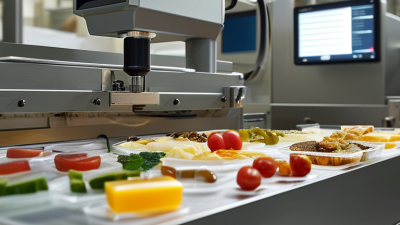
| Horizontal Conveyor X-Ray System |
Cartons, trays, pouches, bags, wrapped products and multipacks |
Product passes horizontally through a shielded inspection tunnel on a belt conveyor. |
Detects dense foreign bodies such as metal, glass, mineral stone, calcified bone and some dense plastics; can also support missing-product and fill-level checks. |
Check tunnel opening, belt width, product height, line speed, reject mechanism, image resolution and product spacing. |
End-of-line or in-line after sealing, packing or case forming |
High |
| Vertical-Drop X-Ray System |
Loose products, nuts, grains, dried foods, confectionery and frozen pieces |
Product falls through a compact vertical inspection chamber, usually with a timed or air-blast reject system. |
Suitable for bulk-flow inspection and detection of dense contaminants before final packaging. |
Evaluate product flow consistency, drop height, dust control, reject verification, access for cleaning and allowable product breakage. |
After processing and before weighing, filling or packaging |
Very high |
| Pipeline X-Ray System |
Pumped liquids, sauces, soups, dairy products, beverages and semi-liquid foods |
Product travels through a hygienic pipe or tube while the detector examines the continuous product stream. |
Detects dense contaminants in liquid and pumpable products; can inspect continuously without opening the product stream. |
Compare pipe diameter, pressure rating, hygienic design, clean-in-place capability, temperature range and integration with the pumping system. |
Processing line before filling or aseptic packaging |
High and continuous |
| Bulk-Flow X-Ray System |
Potatoes, vegetables, fruit pieces, meat portions and other unpackaged solids |
Bulk product is distributed across a wide inspection zone, commonly using a belt or controlled product curtain. |
Provides broad coverage for foreign-body detection before packaging and can reduce the risk of contaminated product entering multiple downstream lines. |
Assess product distribution, belt loading, inspection width, product overlap, reject capacity and cleaning access. |
Between primary processing and portioning or packaging |
High |
| Multi-Lane X-Ray System |
Individually packed products running in parallel lanes |
Several products are inspected simultaneously through one enlarged or lane-optimized tunnel. |
Improves line capacity while supporting foreign-body detection and selected quality checks on high-volume packaged products. |
Compare lane count, lane separation, product tracking, reject accuracy, tunnel size, changeover time and lane-specific alarms. |
High-speed packaging and distribution lines |
Very high |
| Dual-Energy X-Ray System |
Products with complex backgrounds, overlapping pieces or variable density |
Uses two X-ray energy levels to analyze material absorption characteristics in addition to conventional image intensity. |
May improve discrimination of low-density or difficult-to-see contaminants, including some rubber, stone, bone and dense plastic applications. |
Compare material-separation performance, product effect, software algorithms, validation data, false-reject rate and application-specific test results. |
In-line inspection where conventional single-energy imaging is limited |
Medium to high |
| High-Resolution Small-Product X-Ray System |
Small pouches, bars, sachets, capsules and individually portioned foods |
Uses a compact inspection tunnel and optimized detector geometry for small products and narrow product spacing. |
Supports detection of small dense contaminants and can inspect product count, position, missing components and seal-related defects when configured for those tasks. |
Review pixel resolution, minimum product gap, belt stability, product orientation, reject timing and sensitivity under real production conditions. |
After individual packaging or before secondary packing |
Medium to high |
| Large-Aperture X-Ray System |
Large cartons, cases, bulk packs, tall containers and multi-product packs |
Uses a larger tunnel opening to accommodate high or wide products, often with adjusted inspection geometry. |
Inspects products that cannot pass through standard apertures and may support foreign-body, product-count and missing-item checks. |
Balance aperture size against image quality, radiation shielding, source power, conveyor load, reject handling and available floor space. |
Case packing, pallet preparation or large-format packaging lines |
Medium to high |
| Glass-and-Jar X-Ray System |
Glass jars, bottles, cans and rigid containers |
Configured for dense packaging materials and commonly uses inspection views that address the base, sidewall and closure areas. |
Detects glass fragments, stones, metal and other dense contaminants; can support fill-level, cap, missing-item and container-integrity checks. |
Check container diameter and height, glass thickness, product orientation, multiple-view coverage, line speed and breakage-management procedures. |
After filling and closing, before labeling or case packing |
Medium to high |
| Frozen-Food X-Ray System |
Frozen meals, seafood, meat, vegetables and ice-covered products |
Conveyor inspection system designed for cold, wet and often irregularly shaped products. |
Detects metal, glass, stone and bone in products where temperature, ice and product shape can affect image quality. |
Compare operating temperature range, condensation control, washdown protection, belt materials, defrost procedures and product-effect testing. |
Frozen processing, portioning or packaging areas |
Medium to high |
| Combination X-Ray and Checkweighing System |
Packaged foods requiring both contamination and weight control |
Combines X-ray inspection with dynamic weighing and coordinated reject handling in one production section. |
Detects dense foreign bodies while checking underweight, overweight, missing components and selected product-completeness conditions. |
Evaluate weighing accuracy, product spacing, combined reject logic, data reporting, line integration and verification of each inspection function. |
End-of-line quality-control section |
High |
|
Comparison note: Actual detection capability, minimum detectable size, throughput and false-reject performance depend on product composition, package material, product orientation, density, inspection angle, conveyor speed and validated production tests. Always compare equipment using representative test pieces and the applicable food-safety, radiation-safety and hygienic-design requirements.
|

.svg)