How to Choose the Best Fruit and Vegetable Processing Machinery?
Choosing the right fruit and vegetable processing machinery is crucial for businesses in the food industry. According to a report by MarketsandMarkets, the market for processing machinery is projected to reach $20 billion by 2025. This growth reflects increasing consumer demand for fresh, high-quality produce. As a result, food manufacturers must be diligent in selecting the appropriate equipment to meet these demands.
Fruit and vegetable processing machinery manufacturers play a vital role in this selection process. They offer a variety of machines, from cutters to peelers, tailored to different processing needs. Not all equipment is created equal, and making an informed decision can impact product quality and operational efficiency. Therefore, potential buyers should consider factors such as technology, reliability, and the support offered by manufacturers.
Understanding the specific processing requirements is essential. Different types of fruits and vegetables may require distinct machinery for optimal results. For example, soft fruits need gentle handling, while hard vegetables might demand robust cutting machines. Reflecting on these needs can guide businesses in making better choices, ultimately leading to improved productivity and profitability.
Understanding the Different Types of Fruit and Vegetable Processing Machinery
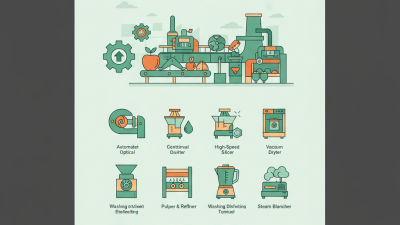
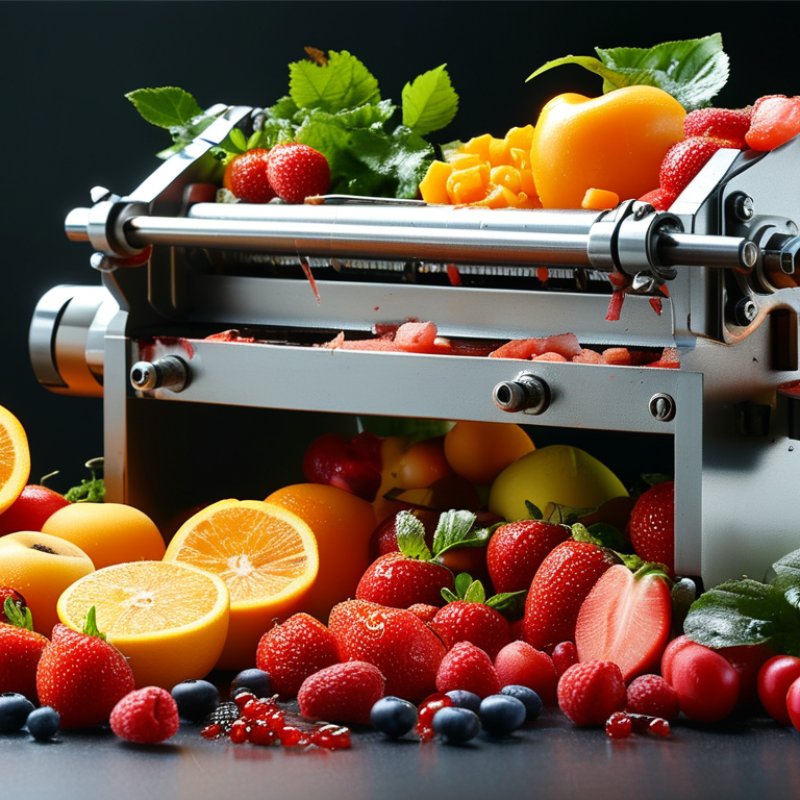
When selecting fruit and vegetable processing machinery, understanding the different types is crucial. There are several main categories: washing, cutting, juicing, and packaging equipment. Each category has unique functions and specifications tailored to various production needs. For instance, according to a 2021 report by MarketsandMarkets, the global fruit and vegetable processing market is expected to grow significantly, reaching USD 372.64 billion by 2026. This growth indicates a high demand for efficient machinery that can handle diverse processing tasks.
Washing machines remove dirt and contaminants from produce. Cutting machines enhance portion control and preparation speed. Juicing equipment extracts flavors and nutrients, appealing to health-conscious consumers. Packaging machines play a vital role in prolonging shelf life, a necessity in today's market where product freshness is paramount. However, selecting the right equipment involves challenges. Buyers often grapple with factors like output capacity and energy efficiency, which can impact long-term operational costs.
Moreover, advancements like automation and smart technology are shaping the industry. Yet, with innovation comes complexity. Not all machinery may be user-friendly, leading to potential operational hiccups. Diligent research is essential to find equipment that balances efficiency and ease of use, ensuring that investment translates to productivity without overwhelming staff. This intricate landscape demands attention to detail to align machinery with specific processing requirements and business goals.
Key Factors to Consider When Selecting Processing Equipment
When selecting processing equipment for fruits and vegetables, various key factors must be evaluated. One critical aspect is machine efficiency. According to industry reports, efficient machinery can reduce operating time by up to 30%. This is vital for maximizing throughput. Longevity and maintenance requirements also play a significant role. Some equipment may require frequent repairs, which can disrupt production timelines.
Another important factor is the machinery's capacity and scalability. Depending on your market's demand, the ability to scale up production is crucial. A study indicated that facilities with adaptable machinery saw a growth of 25% in capacity without substantial additional investment. It's essential to assess whether the equipment can grow with your business needs.
Consider these practical tips:
- Always review the total cost of ownership over time, not just the initial purchase price.
- Seek machines that offer user-friendly interfaces for ease of operation.
- Don't forget to check compatibility with existing production lines and workflows, as integration can be a challenge.
Emphasizing these factors can guide the decision-making process effectively.
Evaluating Processing Capacity and Efficiency in Machinery
When evaluating processing machinery, capacity and efficiency are key factors. The global fruit and vegetable processing equipment market is projected to reach $8.56 billion by 2026, growing at a CAGR of 4.6% from 2021. This data reflects an increasing demand for high-capacity machinery that can process large volumes quickly. However, businesses must also consider the specific needs of their production lines. A machine that excels in one area might underperform in another.
Efficiency is crucial in minimizing waste and maximizing yield. Studies indicate that optimizing machinery can improve processing efficiency by 20% to 30%. Factors such as machine design, energy consumption, and automation all affect efficiency levels. A highly efficient machine reduces labor costs and enhances throughput. Companies should evaluate these metrics carefully; the right choice can lead to considerable savings over time.
While capacity figures are impressive, they can be misleading. A machine rated for high output may not suit every production environment. For instance, during peak seasons, fluctuations in raw material quality can impact machinery performance. It’s vital to reflect on these aspects. Testing machinery in real production scenarios can uncover shortcomings in expected performance versus actual output. By weighing these factors, businesses can make informed decisions that support sustainable growth.
Assessing Technology and Innovation in Processing Equipment
When selecting optimal fruit and vegetable processing machinery, assessing technology and innovation becomes crucial. Modern advancements can significantly enhance productivity. For instance, innovations in cutting technology allow for precise and uniform slices, improving product presentation and reducing waste. Equipment equipped with smart sensors can monitor processes in real time, optimizing efficiency and ensuring quality.
Yet, not all technologies are suitable for every operation. Evaluating the specific needs of your processing line is essential. Are you processing fresh produce or canned goods? The equipment's adaptability to various products can impact overall success. Additionally, consider the integration of automation; while it may seem expensive, it often yields long-term savings.
However, reliance on the latest technology can be risky. Not all innovations prove reliable or durable over time. Investing in cutting-edge machinery without thorough research can lead to regret. It’s vital to weigh the benefits against potential downtime and maintenance challenges. Checking user reviews and case studies can provide valuable insights into real-world performance. Balancing innovation with practical usability is key in making an informed decision.
How to Choose the Best Fruit and Vegetable Processing Machinery? - Assessing Technology and Innovation in Processing Equipment
| Dimension |
Description |
Importance |
Examples of Technologies |
| Efficiency |
The ability to process large volumes of produce in a shorter time. |
High |
High-speed cutters, conveyor systems |
| Automation |
Integration of machines to minimize human intervention. |
Medium |
Robotic arms, automated packing lines |
| Versatility |
Ability to handle various types of fruits and vegetables. |
High |
Multi-functional processing machines |
| Maintenance |
Ease of cleaning and maintenance requirements. |
High |
Easily accessible parts, self-cleaning features |
| Energy Consumption |
How much power the machinery uses during operation. |
Medium |
Energy-efficient motors, low-power modes |
| Data Analytics |
Utilization of data for monitoring and improving processes. |
High |
IoT sensors, processing software |
Cost Analysis: Budgeting for Fruit and Vegetable Machinery Purchases
When purchasing fruit and vegetable processing machinery, cost analysis is crucial. Costs can vary based on technology, capacity, and features. A detailed budget will help avoid overspending. Consider the initial purchase price, but also factor in maintenance, energy consumption, and labor costs.
Evaluating your needs allows for better budgeting. Will you process large volumes or focus on specialty products? A mismatch between equipment and output requirements can lead to inefficiencies. Additionally, assess the return on investment. Equipment that seems cheaper initially may cost more in the long run due to higher operational costs.
It's also vital to consider potential technological advancements. Investing in machinery that quickly becomes obsolete can waste resources. Look for flexibility and scalability. You might need to expand or adapt your processing capabilities as market demands change. Balancing budget with future needs is a challenging yet necessary task.
Cost Analysis of Fruit and Vegetable Processing Machinery

.svg)