Food Safety Insights

In Eagle’s Advanced Insights Blog, experts share their know-how by keeping you up-to-date with the latest trends to ensure your inspection equipment keeps your products safe. Eagle is an industry leader when it comes to performance and innovation, and we’ll share the news that’s important to you to enhance your quality assurance program.

Suggest topic you would like to see at:

sale@generalmachinery.org

How to Choose the Best X Ray for Food Inspection from China?

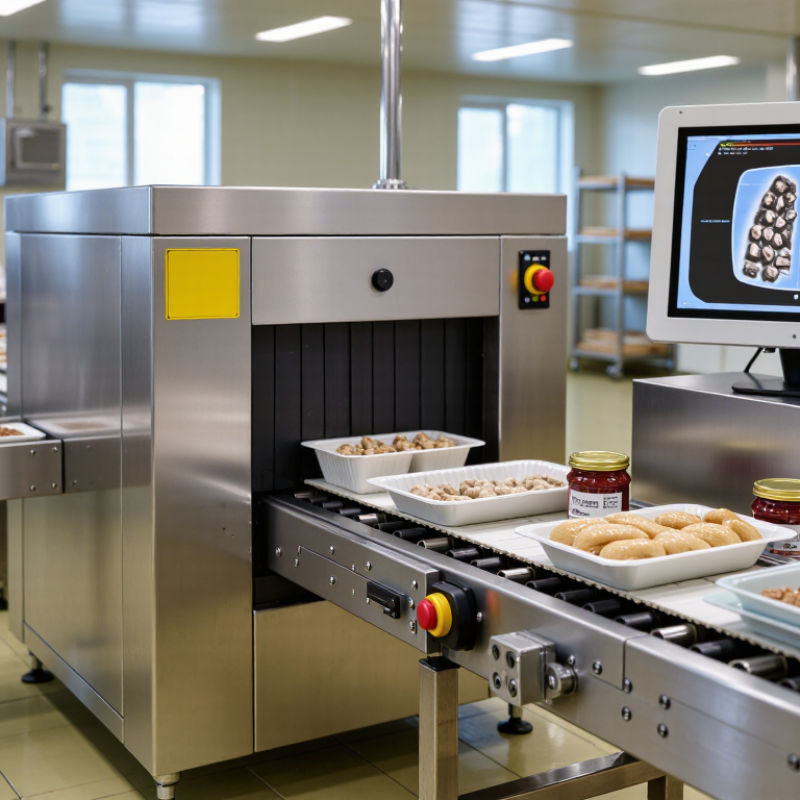
Choosing the best x ray for food inspection from China requires more than comparing prices and polished product photos. The machine must match your product, packaging, line speed, and contamination risks. A dense frozen meal behaves differently from a glass jar of sauce. Metal, glass, stones, and calcified bone may appear differently in the image. Small details matter.

Frank Yiannas, a former FDA Deputy Commissioner for Food Policy and a recognized food safety expert, said, “Food safety is not a spectator sport.” His words apply directly to equipment selection. Buyers should ask Chinese manufacturers for test samples, detection limits, inspection reports, and recorded images from real products. A factory demonstration is useful. Your own product trial is better.

Look closely at the detector resolution, X-ray power, software stability, reject accuracy, and hygienic design. Check whether the conveyor suits your package size and production speed. Stainless steel surfaces should be easy to clean, especially near wet or sticky foods. Ask how quickly the supplier provides spare parts and technical support. A low purchase price can become expensive after repeated downtime.

Certification documents also deserve careful review. They should match the machine model, market requirements, and intended application. Do not accept vague promises. Ask difficult questions.

The strongest choice may not be the most advanced system. It may be the one that delivers dependable images, simple operation, measurable validation, and responsive service. This decision is not flawless. Product changes, maintenance gaps, and operator mistakes can still affect performance. A thoughtful supplier helps you recognize those weaknesses before installation.

How to Choose the Best X Ray for Food Inspection from China?

Understanding X-Ray Inspection Needs in Food Processing

How to Choose the Best X-Ray for Food Inspection from China?

Understanding X-Ray Inspection Needs in Food Processing

Choosing an X-ray inspection system starts with the product, not the equipment catalogue. A dense frozen meal needs different settings from a lightweight snack. Consider product size, packaging material, temperature, speed, and moisture. Glass, metal, stones, and calcified bone may require different detection performance. Small test pieces can reveal weaknesses that product samples hide. Use real production samples whenever possible.

Line integration also matters. Measure conveyor width, belt height, available space, and reject timing. A reliable system should provide stable images, clear alarms, and controlled product separation. Ask the Chinese manufacturer for sensitivity data, factory acceptance procedures, calibration records, and maintenance instructions. Technical support should include practical training, spare-part guidance, and remote troubleshooting. Documentation must be understandable to operators, not only engineers.

Food safety experience should guide the evaluation. Check how the system supports traceability, cleaning routines, and quality records. Request independent validation where appropriate, instead of accepting impressive figures alone. No specification is perfect on paper. A trial may expose false rejects caused by product overlap or uneven filling. That is useful information, not failure. Review the results with operators, quality staff, and maintenance technicians before making a purchase. Temperature changes, vibration, and dust can also affect long-term performance. These details are easy to overlook during a short factory visit.

Evaluating Key Features of Chinese X-Ray Inspection Systems

How to Choose the Best X-Ray for Food Inspection from China?

Evaluating Chinese X-ray systems starts with measurable performance, not attractive pricing. The WHO estimates that contaminated food causes 600 million illnesses and 420,000 deaths each year. That figure supports serious inspection planning. Ask suppliers for detection results using your actual product, packaging, and line speed. Stainless steel, glass, bone, and dense stones behave differently. A system that detects a 1.2 mm steel sphere may perform poorly with thin glass. I would request factory acceptance testing and repeat the test after installation. Factory results are useful, but not always enough.

Key features include detector resolution, stable X-ray output, automatic product learning, and reliable reject confirmation. Check whether the software records images, alarms, calibration checks, and rejected packs. These records support traceability during audits. Consider IP65 or higher protection for wet areas, but verify the complete enclosure rating. Energy efficiency also matters during long shifts. Some specifications look impressive. Their practical value still needs proof. Integration with conveyors and metal detectors should be tested at production speed, not demonstration speed.

Tips: Use certified test pieces. Test the smallest package first. Compare sensitivity at three belt speeds. Confirm service response times in writing. Review radiation-safety documentation and local compliance requirements. Ask for training records, spare-part availability, and cybersecurity controls. The Codex General Principles of Food Hygiene, revised in 2022, emphasizes preventive controls and verification. Your evaluation should reflect that approach, with documented evidence rather than promises.

How to Choose the Best X-Ray for Food Inspection from China

Material density is a major physical factor in X-ray inspection. Higher-density contaminants such as steel, aluminum, glass, and stone generally create stronger image contrast than low-density food products. When evaluating a Chinese X-ray inspection system, also compare detector resolution, product throughput, inspection aperture, software stability, rejection accuracy, hygiene design, service support, and compliance with applicable food-safety requirements.

Comparing Image Quality, Detection Accuracy, and Operating Speed

How to Choose the Best X Ray for Food Inspection from China?

Image quality should be judged under real production conditions, not showroom lighting. A clear image must separate dense products, packaging folds, and small contaminants. Product thickness, moisture, salt content, and package position can change the result. Ask Chinese suppliers for test images using your own products and packaging. Request raw images, not edited screenshots. A useful factory trial should include different speeds and deliberately difficult samples. Small details matter.

Detection accuracy needs documented evidence. The World Health Organization estimates that contaminated food causes about 600 million illnesses and 420,000 deaths each year worldwide. This makes verification more than a purchasing formality. Codex CXC 1-1969, revised in 2022, stresses validated controls, routine verification, and documented corrective actions. Ask for detection-limit records, false-rejection rates, calibration procedures, and test-piece results. Results should be repeatable across several runs. One successful test proves little.

Operating speed must match inspection quality. A fast conveyor is useless if blurred images increase missed detections. Compare products per minute, exposure time, reject response, and restart stability. Industry packaging reports increasingly identify labor efficiency and automated inspection as investment priorities. However, reported figures often come from ideal conditions. I would treat them cautiously. Check performance after warm-up, during product changeovers, and with dusty packaging. Also examine service response, training, and spare-part availability in China. The cheapest system may create expensive uncertainty.

Checking Supplier Qualifications, Certifications, and Technical Support

Choosing the best X-ray inspection system from China starts with the supplier, not the detector.

A capable manufacturer should provide company registration details, a factory address, export experience, and clear product documentation. Ask for a live factory video or arrange an independent audit. A polished brochure is not proof. Review similar food-line installations, inspection speeds, product sizes, and rejection records. Speak with users handling products like yours. Their feedback often reveals response times, software limits, and maintenance habits.

Certifications require careful checking. Request current ISO 9001 documents, CE-related files, EMC test reports, and applicable radiation safety records. Verify the issuing body, model number, test date, and certification scope. Documents must match the machine delivered. Some suppliers show certificates for older models. That detail is easy to miss. Confirm electrical and safety compliance for your destination market. Independent testing before shipment may be worthwhile. Also ask about calibration procedures, image-quality tests, and factory acceptance criteria.

Technical support can determine whether production stays stable. Get written details about installation, operator training, remote diagnostics, spare parts, and response times. Ask who handles urgent problems outside normal hours. A named engineer is more useful than a generic email address. Request sample images using your packaging and dense products. Test detection sensitivity, false-rejection rates, and line integration realistically. Do not accept only a perfect demonstration. Real production is messier. Record every promise in the contract, because memory is unreliable.

Selecting the Best System for Your Food Production Line

Choosing the best X-ray system from China starts with your production line, not a catalogue. WHO’s 2015 foodborne disease estimates reported 600 million illnesses and 420,000 deaths worldwide each year. The CDC’s 2018 report estimated 48 million illnesses annually in the United States. These figures make dependable foreign-body control a production requirement, not a marketing feature.

Match the system to your product’s density, moisture, package shape, and line speed. A frozen meal, glass jar, and sealed pouch need different inspection settings. Check detection capability with real products, not empty test packs. The hardest choice is often boring. Ask for factory acceptance tests, sample images, rejection records, and maintenance procedures. Confirm that the conveyor handles your largest package without vibration. Poor alignment can create false rejects and wasted product.

Hygienic design matters on every shift. Look for stainless-steel construction, accessible surfaces, suitable ingress protection, and a reject mechanism that operators can verify quickly. Codex General Principles of Food Hygiene, revised in 2022, emphasizes preventive controls and documented verification. Your supplier should support installation qualification, performance qualification, staff training, and traceable test-piece checks. A higher sensitivity figure can still disappoint when the product changes temperature or recipe. Request trials across normal production variation. Include software access, spare-part availability, response time, and export documentation in the evaluation. A lower purchase price may become expensive when downtime, calibration, or rejected good product is ignored.

Any Questions? We Are Here for You

Contact Us

Contact Us

Request information

Ask us a question
Service Support

Service Support

Available 24 hours a day, 7 days a week.

Get in Touch
Find a representative

Find a representative

Contact your local representative

View Locations