Food Safety Insights

In Eagle’s Advanced Insights Blog, experts share their know-how by keeping you up-to-date with the latest trends to ensure your inspection equipment keeps your products safe. Eagle is an industry leader when it comes to performance and innovation, and we’ll share the news that’s important to you to enhance your quality assurance program.

Suggest topic you would like to see at:

sale@generalmachinery.org

How to Choose an X Ray Machine for the Food Industry?

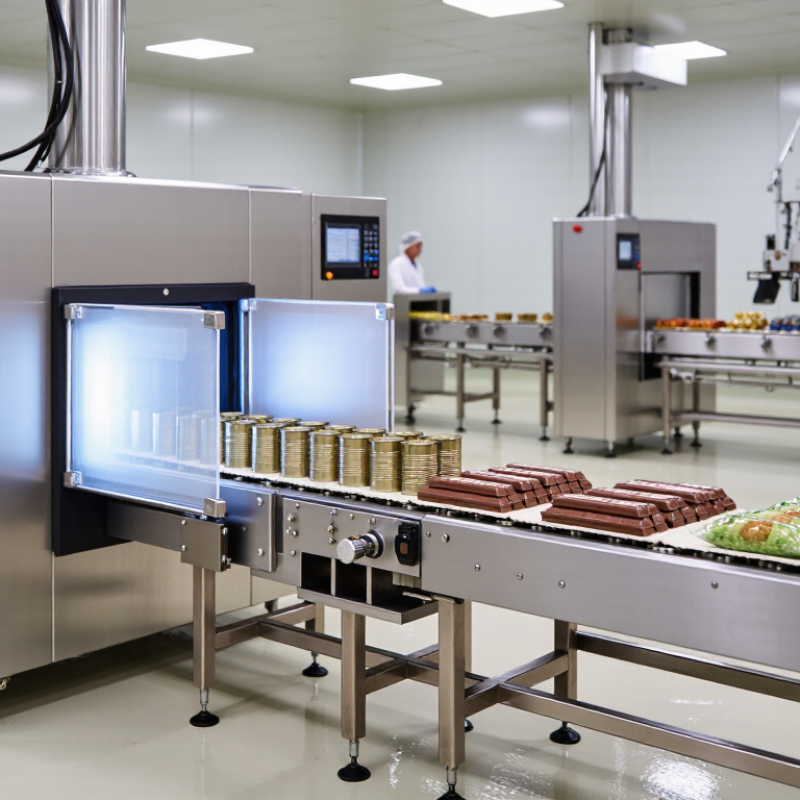
Choosing an x ray machine in food industry operations is not simply a matter of buying the most powerful unit. It requires a clear understanding of products, packaging, production speed, and contamination risks. A machine inspecting canned soup faces different challenges from one checking chocolate bars or frozen vegetables.

Dr. Martin Wiedmann, a food safety expert at Cornell University, has stated, “Food safety is a shared responsibility.” His point applies directly to X-ray inspection. The equipment supports a wider control system, but it cannot replace trained operators, documented procedures, or careful maintenance. That distinction matters.

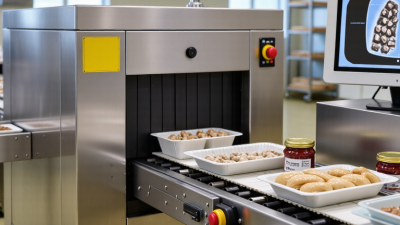
This guide explains how to compare systems for real production conditions. Consider the product’s density, shape, moisture, and package materials. A dense glass jar may need different testing than a flexible plastic pouch. Examine detection sensitivity for metal, glass, stone, calcified bone, and other physical contaminants. Do not rely on impressive brochure numbers alone.

Production speed matters.

A line running 300 packs per minute needs stable image processing and accurate reject timing. The reject system should remove contaminated products without disturbing nearby packs. False rejects also deserve attention, because they increase waste and hide process weaknesses. Hygienic construction, easy cleaning, software records, operator training, and local technical support should influence the decision.

No machine is perfect. That assumption deserves doubt. Real performance can change with temperature, package position, product density, and vibration. Ask suppliers for product trials using your own samples. Review validation results, service response times, and integration requirements before committing. The best x ray machine in food industry applications is the one that delivers dependable inspection under your actual factory conditions.

How to Choose an X Ray Machine for the Food Industry?

Define the Food Inspection Goals and Product Requirements

Choosing an X-ray machine for food inspection starts with a clear definition of the inspection goal. Are you looking for metal, glass, stone, dense bone, or missing products? Each target demands different sensitivity and image quality. Product requirements matter just as much. Wet sauce, frozen meals, wrapped snacks, and canned items create different inspection conditions. Record product density, package size, temperature, speed, and moisture level. Do not rely on a supplier’s standard sample alone. Your real line may contain air gaps, overlapping pieces, or uneven filling. Those details can change the result.

Experienced quality teams test the machine with representative products from normal production. Include the smallest package and the most difficult recipe. Define detection limits, rejection accuracy, belt speed, and inspection records before comparing equipment. Integration also matters. Check conveyor height, available space, cleaning routines, and communication with the line controller. A technically strong machine may still fail when operators cannot clean or access it properly. The first test is rarely perfect. In practice, teams often focus on sensitivity and overlook false rejects. That mistake wastes product and weakens confidence in the system.

Tips: Create a product-by-product inspection table. List hazards, package materials, target sizes, line speeds, and test results. Repeat tests after temperature changes. Keep evidence, not promises. If results remain unclear, pause the purchase and investigate the cause.

How to Choose an X-Ray Machine for the Food Industry?

Define the Food Inspection Goals and Product Requirements

X-ray inspection priorities depend on the product, packaging, line speed, and expected foreign-body risks. Glass, metal, stone, bone, and dense plastic are common inspection targets. Use representative test pieces and real production samples to validate the final system performance.

Compare X-Ray System Types, Energy Levels, and Detection Capabilities

Choosing an X-ray machine for food production starts with the product, not the brochure. A packaged sauce, frozen vegetables, and dense baked goods create different inspection challenges. In practical trials, I compare conveyor speed, package height, moisture, and temperature before discussing energy levels. These details affect image contrast and reject timing. A single-energy system can suit uniform products and common metal fragments. It may struggle when food and contamination have similar X-ray absorption.

Dual-energy technology separates materials by effective atomic density, improving detection in overlapping food structures. It can help find low-density contaminants, such as some stones, bones, or rubber pieces, inside variable products. However, performance depends on product thickness, orientation, packaging, and image noise. Higher energy is not automatically better. It can penetrate dense packs, but may reduce contrast for small contaminants. Lower energy can sharpen detail in thin products, although penetration becomes limited. A machine should be tested with calibrated test pieces at real line speed. Not in a showroom.

Detection capability also includes software thresholds, reject verification, fault monitoring, and data records. Ask whether the system distinguishes contamination from harmless product variation. False rejects waste food; missed contamination damages trust and may trigger costly recalls. I would request blinded trials using the largest package and worst-case product conditions. That approach is slower, but more honest than selecting a system from a specification sheet. One weakness remains: every test model has limits. A promising image can still fail under production pressure.

How to Choose an X Ray Machine for the Food Industry? - Compare X-Ray System Types, Energy Levels, and Detection Capabilities

System Type Typical Product Format Typical Tube Voltage Primary Detection Capabilities Suitable Inspection Point Main Selection Considerations
In-Line Conveyor System Cartons, trays, pouches, cans, jars, and unpackaged products on a belt 80–160 kV Metal, glass, mineral stone, calcified bone, dense plastic, rubber, product voids, missing items, and fill-level variation Post-packaging inspection on continuous production lines Match belt width, line speed, product spacing, and reject timing to the production process
Pipeline X-Ray System Pumped liquids, sauces, soups, dairy products, and semi-liquid foods 80–120 kV Dense foreign bodies, metal fragments, glass particles, stones, and some product-flow abnormalities Before filling or at a hygienic transfer point in a closed pipeline Consider pipe diameter, pressure, flow rate, cleaning method, hygienic design, and product homogeneity
Vertical-Drop System Free-falling powders, grains, seeds, nuts, snacks, and small pieces 80–120 kV Metal, glass, stone, dense bone, and other high-density foreign material Before packaging or during transfer between processing stages Verify stable product flow, controlled drop height, air pressure requirements, and low product loss during rejection
Bulk-Flow System Loose vegetables, potatoes, frozen foods, meat pieces, and bulk solid ingredients 100–160 kV Metal, glass, stone, calcified bone, dense rubber, and some product irregularities Raw-material receiving, processing, or pre-packaging inspection Account for product overlap, bulk density, moisture, throughput, and the required rejection method
Checkweigher-Integrated X-Ray System Packaged foods requiring both contamination and weight verification 80–160 kV Foreign bodies, missing products, incorrect fill level, underweight, overweight, and package-count errors End-of-line quality control Evaluate combined footprint, weighing accuracy, conveyor speed, product spacing, and data integration
Dual-Energy X-Ray System Products with low-density contaminants or complex product backgrounds Two energy bands, commonly approximately 80 and 160 kV Improved material discrimination for certain low-density contaminants, including some thin bones, stones, and dense plastics Difficult products where standard single-energy imaging has limited contrast Confirm performance with representative product samples because results depend on thickness, density, orientation, and packaging
Wide-Aperture System Large cartons, multi-lane products, tall packs, and irregular packages 120–180 kV Metal, glass, stone, bone, dense plastics, missing components, and package integrity abnormalities Inspection of large or high-throughput packaged products Select aperture dimensions and generator power according to the tallest product, maximum mass, and required line speed

Selection Notes:

  • Higher tube voltage generally provides greater penetration through thick or dense products, but the optimum setting depends on product composition and package thickness.
  • Detection performance is affected by contaminant size, density, shape, orientation, product overlap, moisture, temperature, packaging material, and conveyor speed.
  • Stainless steel, aluminum, thin wire, low-density plastic, and small bone fragments can be more difficult to detect than larger or denser contaminants.
  • Actual sensitivity should be validated using representative products and certified test pieces at the intended production speed.
  • X-ray inspection is primarily used for density-based contamination detection; it does not replace microbiological, allergen, or chemical-quality testing.

Evaluate Machine Performance for Contaminants, Packaging, and Product Flow

Choosing an X-ray machine for food production requires more than comparing image resolution. The system must detect likely contaminants, including metal, glass, mineral stone, and dense bone, within the actual product. Test samples should match real conditions, such as chilled meat, wet sauces, or frozen vegetables. A laboratory result may look impressive, but factory performance can differ.

Packaging changes the inspection challenge. Foil trays, thick cartons, glass jars, and multilayer films can affect image contrast and system sensitivity. During machine trials, place products at different positions across the belt. Check whether seals, folds, labels, and overlapping items create confusing signals. Product flow matters too. A fast conveyor may reduce inspection time, while irregular spacing can increase false rejects. Watch the reject point closely.

Small details matter.

In production evaluations, measure detection consistency, reject accuracy, uptime, cleaning access, and operator training needs. Review several test runs, not one successful demonstration. I have seen systems perform well with single products but struggle when packages touched each other. That result is easy to overlook. It deserves a second trial. Ask for documented performance data under your normal speed, temperature, packaging, and product load. The most reliable choice is usually the machine that performs steadily during imperfect, everyday production, not only under controlled showroom conditions.

Check Hygiene, Safety Compliance, Integration, and Ease of Maintenance

How to Choose an X Ray Machine for the Food Industry?

A food inspection X-ray machine must fit your hygiene program, not disrupt it. Choose stainless-steel construction, smooth surfaces, and sealed joints that resist water, dust, and product residue. Ask how the unit handles daily cleaning, especially around conveyors, guards, and inspection windows. Small gaps can become serious sanitation problems.

Safety compliance deserves careful review. Confirm that the system meets applicable radiation safety requirements and food-processing standards in your region. Operators should receive clear training, visible warnings, and practical emergency procedures. A machine may pass a specification sheet but still confuse workers during a busy shift.

Tips: Test the machine with real products, including wet, frozen, wrapped, and uneven items. Check detection accuracy at normal line speed. Discuss reject handling, data recording, and communication with your production controls. Integration often fails when signal timing is assumed rather than tested. Maintenance should be simple, with accessible belts, replaceable wear parts, remote diagnostics, and clear service instructions. Ask for cleaning demonstrations before purchasing. A perfect checklist does not exist. Review it after installation, because real production usually reveals overlooked details.

Calculate Total Cost, Operational Value, and Long-Term Support Needs

Choosing an X-ray machine for food production requires more than comparing purchase prices. Calculate the total cost across its working life, including installation, shielding, calibration, training, energy use, software, spare parts, and service visits. A low initial price can become expensive if maintenance requires long-distance travel or causes repeated line stoppages. Even careful estimates can miss hidden costs.

Measure operational value using real production conditions. Ask for a trial with your products, packaging, line speed, and typical contaminants. Check detection reliability, false rejects, product waste, cleaning time, and integration with conveyors or reject systems. A machine that detects well but slows a 120-pack-per-minute line may reduce overall output. Record results during several shifts, not only during a short demonstration.

Tips

Build a five-year cost model. Include downtime, rejected products, operator training, annual calibration, and emergency support. Confirm technician response times, spare-part availability, remote assistance, software updates, and documentation. Request practical training for operators and maintenance staff. Keep test records for internal reviews and customer audits. Do not rely on promised performance alone; verify it with your own products. One useful detail is often overlooked: ask who supports the machine after the original sales team changes.

Any Questions? We Are Here for You

Contact Us

Contact Us

Request information

Ask us a question
Service Support

Service Support

Available 24 hours a day, 7 days a week.

Get in Touch
Find a representative

Find a representative

Contact your local representative

View Locations