| 1 |
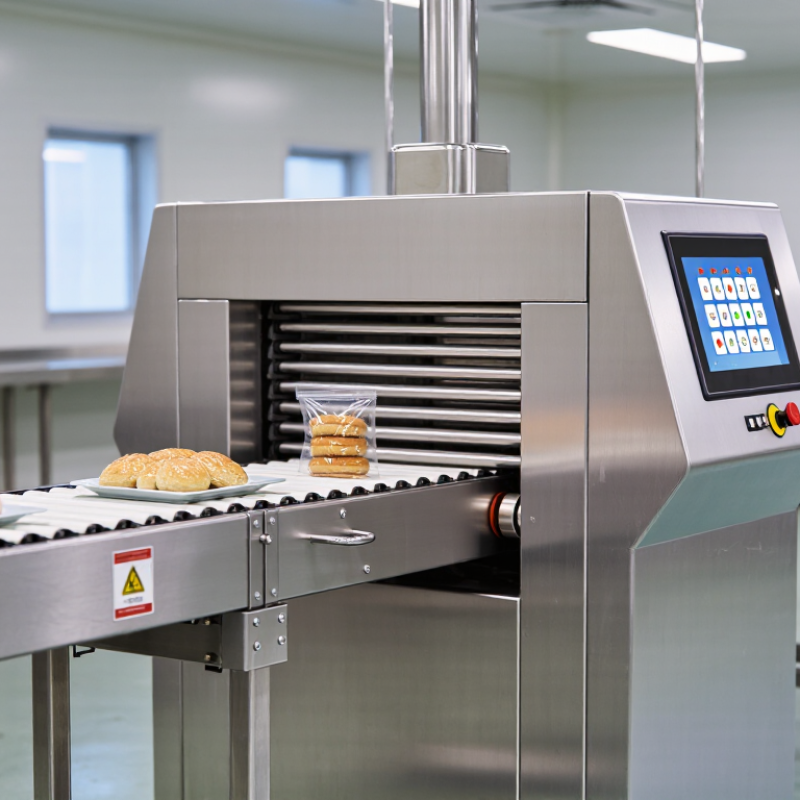
Compact packaged-food X-ray system |
Small bags, cartons, pouches, and trays |
250–350 mm wide × 150–250 mm high |
60–120 packs/min |
20–45 m/min |
Stainless steel and glass: approximately 1.0–2.0 mm, depending on product and packaging |
IP65–IP66 |
Low footprint, reject confirmation, basic multi-energy image processing, and easy recipe changeover |
US$35,000–70,000 |
Best for small and medium production lines with limited installation space |
| 2 |
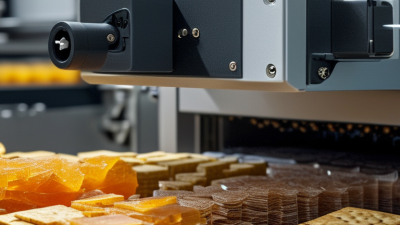
High-speed snack and confectionery X-ray system |
Bars, biscuits, candies, and small snack packs |
300–450 mm wide × 120–220 mm high |
120–300 packs/min |
35–80 m/min |
Glass, mineral stone, and dense rubber: approximately 1.0–2.0 mm under suitable conditions |
IP65–IP66 |
High-speed image acquisition, automatic reject timing, product tracking, and low false-reject operation |
US$50,000–95,000 |
Strong productivity choice for high-volume, individually packed products |
| 3 |
Wide-belt bakery X-ray system |
Bread, cakes, pastries, and multi-lane bakery products |
500–700 mm wide × 180–300 mm high |
80–180 packs/min |
20–50 m/min |
Metal, glass, mineral stone, and calcified bone; practical sensitivity varies with product thickness |
IP65 |
Wide inspection zone, belt-load monitoring, recipe management, and optional dual-lane rejection |
US$60,000–110,000 |
Good balance of coverage, capacity, and flexibility for bakery plants |
| 4 |
Meat and poultry packaged-product X-ray system |
Fresh or frozen meat, poultry, sausages, and vacuum packs |
400–600 mm wide × 200–350 mm high |
40–120 packs/min |
15–35 m/min |
Metal, glass, stone, and bone fragments; detection performance depends heavily on product density and thickness |
IP66–IP69K |
Heavy-duty conveyor, hygienic construction, product-zone monitoring, and robust automatic rejection |
US$75,000–140,000 |
Best suited to demanding wet-washdown and high-risk protein applications |
| 5 |
Frozen-food X-ray inspection system |
Frozen vegetables, seafood, prepared meals, and frozen meat |
400–600 mm wide × 200–350 mm high |
40–100 packs/min |
15–35 m/min |
Metal, glass, stone, and bone; sensitivity is affected by ice content, product overlap, and package height |
IP66–IP69K |
Condensation-resistant design, cold-temperature conveyor components, strong image contrast, and washdown capability |
US$80,000–150,000 |
High value where cold-chain contamination risks and harsh cleaning are major concerns |
| 6 |
Bulk-flow X-ray system |
Nuts, grains, pulses, dried fruit, and free-flowing ingredients |
300–500 mm wide × 100–250 mm high |
1–5 tonnes/hour |
20–60 m/min |
Metal, glass, stone, and dense foreign material; minimum size depends on material distribution and layer depth |
IP65–IP66 |
Continuous-flow inspection, air-blast or diverter rejection, contamination mapping, and low product loss |
US$70,000–135,000 |
Efficient for ingredient protection before mixing, processing, or packaging |
| 7 |
Pumped-liquid and semi-liquid X-ray system |
Sauces, soups, dairy products, beverages, and viscous foods |
Pipeline or container opening of 100–300 mm |
1–8 tonnes/hour |
Application-dependent |
Metal, glass, stone, and dense foreign material in bottles, jars, cans, or pipeline products |
IP66–IP69K |
Hygienic contact surfaces, container inspection, fill-level checking, cap inspection, and automated line integration |
US$85,000–170,000 |
Suitable for processors requiring contamination and packaging checks in one inspection stage |
| 8 |
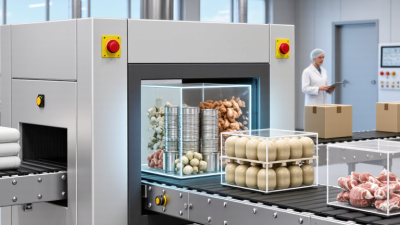
Large-format carton and case X-ray system |
Multipacks, shipping cartons, club packs, and large ready meals |
600–900 mm wide × 300–500 mm high |
20–80 cases/min |
10–25 m/min |
Metal, glass, stone, and dense bone; large tunnel dimensions generally reduce achievable sensitivity |
IP65 |
Large tunnel aperture, case-count verification, missing-product detection, and multi-product inspection |
US$100,000–190,000 |
Best for case-level inspection where opening size is more important than maximum sensitivity |
| 9 |
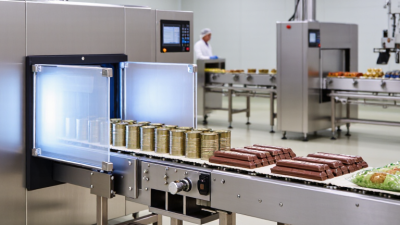
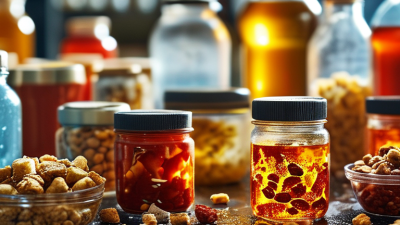
Can, jar, and bottle X-ray inspection system |
Canned foods, glass jars, metal cans, and rigid containers |
300–500 mm wide × 200–400 mm high |
80–240 containers/min |
20–60 m/min |
Metal, glass, stone, and product-contamination defects; performance depends on container geometry and wall thickness |
IP65–IP69K |
Container orientation control, fill-level analysis, missing-cap detection, seal inspection, and reject verification |
US$90,000–180,000 |
Strong choice when food safety and container-quality inspection are both required |
| 10 |
Advanced dual-energy X-ray system |
Complex products, overlapping packs, low-density contaminants, and premium lines |
400–700 mm wide × 200–400 mm high |
50–180 packs/min |
15–50 m/min |
Enhanced material discrimination for organic and inorganic contaminants; actual sensitivity must be validated with product samples |
IP66–IP69K |
Dual-energy imaging, advanced software classification, density compensation, detailed audit trails, and networked quality data |
US$130,000–250,000+ |
Best performance potential for difficult products, with the highest initial investment |

.svg)