Food Safety Insights

In Eagle’s Advanced Insights Blog, experts share their know-how by keeping you up-to-date with the latest trends to ensure your inspection equipment keeps your products safe. Eagle is an industry leader when it comes to performance and innovation, and we’ll share the news that’s important to you to enhance your quality assurance program.

Suggest topic you would like to see at:

sale@generalmachinery.org

China Top 10 Food X Ray Inspection Equipment Manufacturers

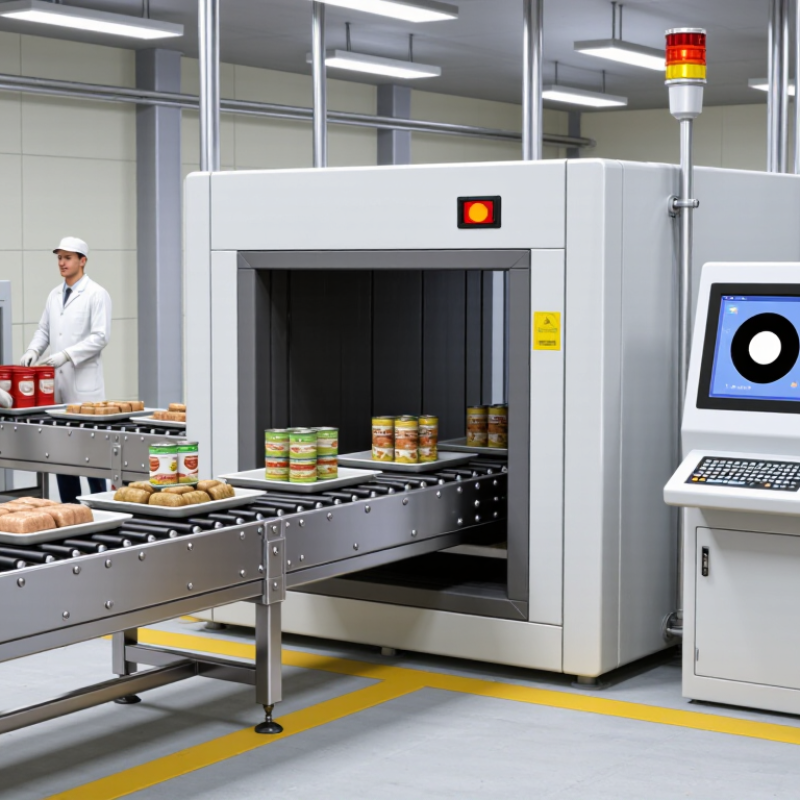
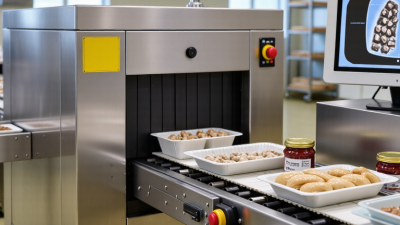
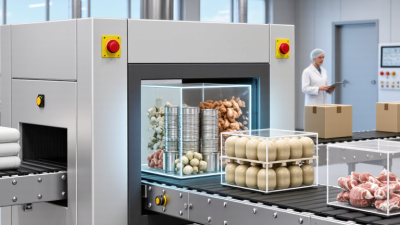
Food manufacturers face a sharper question today: can every sealed pack leave the line clean, complete, and traceable? Food x ray inspection equipment helps answer it by detecting metal, glass, stones, calcified bone, and missing products inside opaque packaging. The image is practical: a conveyor moves chilled meat, canned soup, or snack bags through a compact inspection tunnel. Software then compares density differences in milliseconds.

Market evidence supports this growing focus. Grand View Research estimates that the global food safety testing market will expand steadily through 2030, driven by stricter quality controls and international supply chains. MarketsandMarkets also identifies inspection automation as an important part of modern food-processing efficiency. These reports discuss broader safety markets, not only x-ray systems. That distinction matters.

Product-inspection specialist Paul Tracy has stated, “X-ray inspection is a critical component of a comprehensive food safety program.” The point is not that one machine solves every risk. It does not. Strong results still depend on hygienic design, calibrated sensitivity, trained operators, validated rejection systems, and documented corrective actions. Small details matter, such as belt alignment, product spacing, and the test-piece routine at shift change.

This guide examines China’s leading food x ray inspection equipment manufacturers through technical capability, application experience, after-sales support, certification, and system reliability. Some rankings may remain debatable. Regional service quality can also be difficult to compare. Buyers should verify specifications directly, request production-line trials, and examine real detection data before making a decision.

China Top 10 Food X Ray Inspection Equipment Manufacturers

Market Overview of Food X-Ray Inspection Equipment in China

China Top 10 Food X-Ray Inspection Equipment Manufacturers

Market Overview of Food X-Ray Inspection Equipment in China

China’s food X-ray inspection market is expanding with automated processing and stricter quality controls. Manufacturers serve meat, seafood, bakery, dairy, snacks, and ready-to-eat food producers. Their systems detect metal, glass, stones, dense plastic, and missing products inside sealed packages.

Demand is strongest in high-speed factories. A modern line may inspect hundreds of packs each minute. Operators usually need stable imaging, accurate rejection, simple cleaning, and traceable inspection records. Stainless steel frames, waterproof housing, and tool-free access matter in humid production rooms. Software is also becoming more practical, with recipe management, image storage, and automatic product setup.

The leading ten manufacturers are not identical. Some focus on compact machines for small packages. Others build multi-lane systems for large factories. Selection should consider package size, product density, belt speed, and factory layout. A test with real products is essential. Laboratory samples can look perfect, yet irregular food shapes may reduce detection accuracy.

Food processors should review calibration procedures, false-rejection rates, maintenance response, and operator training. Compliance documents help, but they do not replace factory testing. This is where buyers sometimes misjudge equipment. A lower purchase price may create higher waste and slower production later. Local technical support can also influence long-term reliability, especially during seasonal production peaks.

China Food X-Ray Inspection Equipment Market Overview

Material-density contrast is a key technical factor behind X-ray inspection demand in China's food-processing and packaged-food industries. The chart compares commonly encountered product materials and foreign-body references using approximate density values. Higher-density materials generally create stronger X-ray contrast and are easier to identify than low-density materials.

Reference densities are rounded typical values in g/cm³. Actual detection performance depends on product composition, package format, X-ray energy, conveyor speed, detector resolution, and calibration.

Key Technologies Used by Chinese X-Ray Inspection Manufacturers

Chinese X-Ray Inspection Manufacturers: Key Technologies in Food Safety

Chinese food X-ray inspection manufacturers increasingly combine compact hardware with intelligent software. Their systems examine packaged products without opening them. In practice, this supports continuous checks on production lines. It also helps operators detect dense foreign materials, missing products, and broken equipment parts.

Dual-energy imaging is an important technology. It compares how materials absorb different X-ray levels. This can improve detection when product density changes across a package. High-resolution detectors capture small differences in shape and contrast. Advanced image-processing software then separates product features from possible contaminants. Some systems use machine-learning tools to reduce false rejects. However, software still needs accurate product samples and careful setup. Artificial intelligence is useful, not magical.

Reliable inspection also depends on engineering beyond the image. Automatic calibration helps maintain stable sensitivity during long shifts. Stainless steel construction supports hygienic cleaning in demanding food environments. Sealed conveyors protect internal components from moisture and dust. Reject mechanisms must remove suspect packages quickly without disturbing nearby products. Data records can store inspection results, calibration history, and operator actions. These records improve traceability and support quality audits. Radiation shielding and safety interlocks remain essential. Small installation errors can weaken performance. For this reason, manufacturers should provide validation guidance, training, and responsive technical service. Production teams still need regular testing, because no inspection system performs perfectly under every condition.

Selection Criteria for the Top 10 Manufacturers

Selecting China’s top ten food X-ray inspection equipment manufacturers requires more than comparing brochures. A credible review starts with measurable performance. Test each system with approved sample pieces, varied product sizes, dense ingredients, and realistic conveyor speeds. Record detection sensitivity, false rejects, image clarity, and stable operation over extended shifts. The best candidates should explain their testing methods openly. They should also provide traceable calibration records and practical operator training. Marketing claims alone are weak evidence.

Equipment design matters on a busy production line. Review the X-ray source, detector resolution, software controls, belt hygiene, and reject response time. Check whether operators can change recipes without confusion. Examine protection design, maintenance access, spare-part availability, and remote diagnostic support. Reliable manufacturers share installation drawings, risk assessments, and validation documents. Independent factory references add authority, especially when products vary from sealed snacks to packaged meat. Price deserves attention, but downtime, waste, and service delays often cost more.

A useful ranking uses weighted scores rather than popularity. Performance may receive 35 percent, reliability 25 percent, service 20 percent, and ownership cost 20 percent. These weights are not universal. Smaller factories may value simplicity more than advanced analytics.

No scoring model is perfect. A careful evaluator should revisit weak evidence, repeat doubtful tests, and record every assumption. That discipline makes the final ten more defensible, even when one attractive demonstration fails under real production pressure.

Profiles of China’s Top 10 Food X-Ray Equipment Manufacturers

China’s top 10 food X-ray equipment manufacturers are competing through detection accuracy, hygienic design, and responsive engineering support.

Their machines commonly inspect packaged meat, seafood, bakery goods, canned foods, and ready meals.

One manufacturer focuses on compact conveyor systems. Another develops high-speed lines for large factories. Several specialize in multi-energy imaging, while others emphasize rejected-product tracking and remote diagnostics.

A 2024 MarketsandMarkets report estimates the global food inspection market will expand steadily through 2029, driven by stricter quality controls and automated production. Fortune Business Insights also identifies food safety automation as a major growth area. These reports support China’s growing manufacturing role, but market share claims require caution. Public rankings often mix equipment sales, integration projects, and export value.

The strongest manufacturers usually provide stainless-steel frames, IP65 or higher protection, automatic calibration, and test-piece verification.

Their systems should detect metal, glass, stone, dense bones, and missing products without damaging packaging.

Factory trials matter. A glossy specification sheet cannot replace testing with real products, uneven fillings, and wet packaging.

Some suppliers offer strong hardware but weaker documentation or after-sales training. That gap deserves attention.

Buyers should examine false-rejection rates, image archives, response times, and compliance records before selecting a supplier. Independent audits and references from comparable food plants make the comparison more reliable.

Industry Applications, Standards, and Future Trends

China Top 10 Food X Ray Inspection Equipment Manufacturers

Industry Applications, Standards, and Future Trends

Food X-ray inspection is expanding across China’s meat, seafood, dairy, bakery, and ready-meal factories. The World Health Organization estimates that contaminated food causes 600 million illnesses yearly. This figure gives inspection a practical purpose beyond production speed. X-ray systems can identify metal, glass, stones, and dense bone fragments inside sealed packs. They also check missing products and fill-level differences. Small errors remain possible, especially with low-density materials.

Equipment selection should follow the production risk, not a catalogue ranking. A wet seafood line needs corrosion-resistant construction and stable image quality. A high-speed snack line needs accurate rejection without damaging nearby packs. Codex Alimentarius General Principles of Food Hygiene, revised in 2022, supports hazard-based controls and verification. China’s food safety framework also requires traceable quality management. Systems should record images, rejection events, calibration checks, and operator actions. That evidence helps during audits.

Future designs will combine AI-assisted image analysis, remote diagnostics, and lower-energy X-ray sources. A 2024 MarketsandMarkets report projects continued growth in the global food inspection market, driven by stricter safety rules and automation. The World Bank estimates foodborne illness costs low- and middle-income economies over 110 billion dollars annually. The lesson is uncomfortable: advanced hardware cannot repair weak procedures. Some factories still calibrate too infrequently. Better training may deliver more protection than another expensive feature.

China Top 10 Food X-Ray Inspection Equipment Manufacturers - Industry Applications, Standards, and Future Trends

Application and technology benchmark for food X-ray inspection equipment in China and international markets

No. Food Industry Application Typical Products Primary Inspection Targets Common System Configuration Applicable Standards and Compliance References Key Selection Criteria Future Trend
1 Meat and Poultry Fresh meat, frozen meat, sausages, nuggets, and ready-to-cook products Metal, glass, mineral stone, calcified bone, and high-density plastic contaminants; missing or damaged packaging Conveyor X-ray inspection with hygienic stainless-steel construction and automatic reject handling HACCP principles under Codex CXC 1-1969; BRCGS Food Safety; IFS Food; applicable national radiation-safety requirements Detection stability in wet or frozen products, washdown resistance, belt hygiene, and traceable reject verification Dual-energy imaging, improved bone detection, lower-energy operation, and AI-assisted image classification
2 Seafood and Aquatic Products Fish fillets, shrimp, shellfish, frozen seafood, and vacuum-packed seafood Fish bones, shell fragments, metal, glass, and dense foreign materials High-resolution conveyor systems or compact systems for vacuum and modified-atmosphere packs Codex Code of Practice for Fish and Fishery Products; HACCP; EU Regulation 852/2004 where applicable; BRCGS and IFS requirements Image contrast for irregular products, low-temperature performance, corrosion resistance, and product orientation Advanced algorithms for bone recognition, multispectral imaging, and centralized quality-data management
3 Bakery and Flour Products Bread, biscuits, cakes, pastries, flour, and baking mixes Metal fragments, stones, glass, dense plastic, and packaging-component contamination Conveyor inspection for wrapped products, bulk-flow inspection for flour, and multi-lane configurations Codex HACCP principles; ISO 22000 food-safety management systems; BRCGS Food Safety; IFS Food Product density variation, dust control, belt tracking, reject accuracy, and protection against false rejects Cloud-based performance monitoring, recipe auto-setup, predictive maintenance, and energy-efficient X-ray sources
4 Dairy and Cheese Cheese blocks, sliced cheese, yogurt cups, milk powder, and dairy desserts Metal, glass, stone, dense plastic, missing components, and product-level packaging defects Conveyor or multi-lane inspection, with optional checkweighing and seal-integrity inspection HACCP; ISO 22000; EU Regulation 852/2004; Regulation (EC) No. 1935/2004 for food-contact materials where relevant Stable imaging through high-moisture products, hygienic design, temperature tolerance, and reliable reject confirmation Combined X-ray, checkweighing, and vision platforms with automated product-changeover functions
5 Canned and Jarred Foods Canned vegetables, meat cans, glass jars, sauces, and preserved foods Metal fragments, glass shards, stones, missing contents, incorrect fill level, and damaged closures Heavy-duty conveyor systems with side-view or multi-angle imaging for rigid containers HACCP; Codex General Principles of Food Hygiene; BRCGS Food Safety; applicable container and packaging regulations Penetration through metal or glass packaging, container stability, line-speed synchronization, and reject containment Multi-view imaging, automated fill-level analysis, container-defect detection, and robotic reject systems
6 Snacks, Nuts, and Confectionery Potato chips, nuts, chocolate, candy, chewing gum, and snack bars Metal, stones, glass, dense plastic, shell fragments, and broken product components High-speed conveyor inspection for retail packs, multipacks, and flow-wrapped products HACCP; ISO 22000; BRCGS Food Safety; IFS Food; Codex General Principles of Food Hygiene High throughput, low false-reject rate, detection of small contaminants, and compatibility with nitrogen-flushed packs AI-based defect recognition, real-time statistical process control, and integrated vision-X-ray inspection
7 Fresh Produce and Frozen Vegetables Fresh-cut vegetables, frozen vegetables, fruit packs, and prepared produce Stones, glass, metal, dense plastic, and foreign agricultural materials Open-conveyor or packaged-product systems with hygienic belts and automatic product tracking HACCP; Codex Code of Hygienic Practice for Fresh Fruits and Vegetables; ISO 22000; applicable import-market requirements Variable product density, moisture, irregular shapes, high washdown conditions, and seasonal product changes Adaptive image processing, machine-learning classification, and integration with optical sorting and digital traceability
8 Ready Meals and Convenience Foods Frozen meals, meal trays, instant noodles, prepared salads, and microwaveable foods Foreign bodies, missing ingredients, incorrect portioning, and packaging or sealing anomalies Tray and carton inspection with recipe management, reject confirmation, and production-line data integration HACCP; ISO 22000; BRCGS Food Safety; IFS Food; retailer-specific technical standards Multi-component product inspection, product positioning, data connectivity, and changeover efficiency Digital twins for inspection recipes, automated product recognition, and integration with MES and ERP systems
9 Beverages and Bottled Products Bottled drinks, liquid food products, sauces, syrups, and edible oils Glass, metal, stones, missing caps, incorrect fill level, and packaging inclusions Side-beam or multi-beam systems for bottles, cans, cartons, and flexible liquid pouches HACCP; ISO 22000; Codex General Principles of Food Hygiene; relevant packaging and food-contact regulations Liquid movement, container geometry, high-speed handling, condensation resistance, and reject timing High-speed line synchronization, multi-angle inspection, smart fill-level analysis, and remote equipment diagnostics
10 Pet Food and Animal Feed Dry pet food, wet pet food, treats, compound feed, and premixes Metal, stones, glass, dense plastic, bones, and process-equipment wear particles Bulk-flow, bagged-product, or canned-product X-ray systems selected according to packaging and throughput HACCP; ISO 22000; feed-hygiene requirements; applicable national feed-safety and radiation-safety regulations Bulk-product uniformity, dust protection, high-throughput performance, cleaning access, and contamination trend analysis AI-supported bulk inspection, predictive contamination analytics, and automated integration with feed-mill quality systems

Any Questions? We Are Here for You

Contact Us

Contact Us

Request information

Ask us a question
Service Support

Service Support

Available 24 hours a day, 7 days a week.

Get in Touch
Find a representative

Find a representative

Contact your local representative

View Locations